
Winter Tree Emergencies: How We Respond Fast
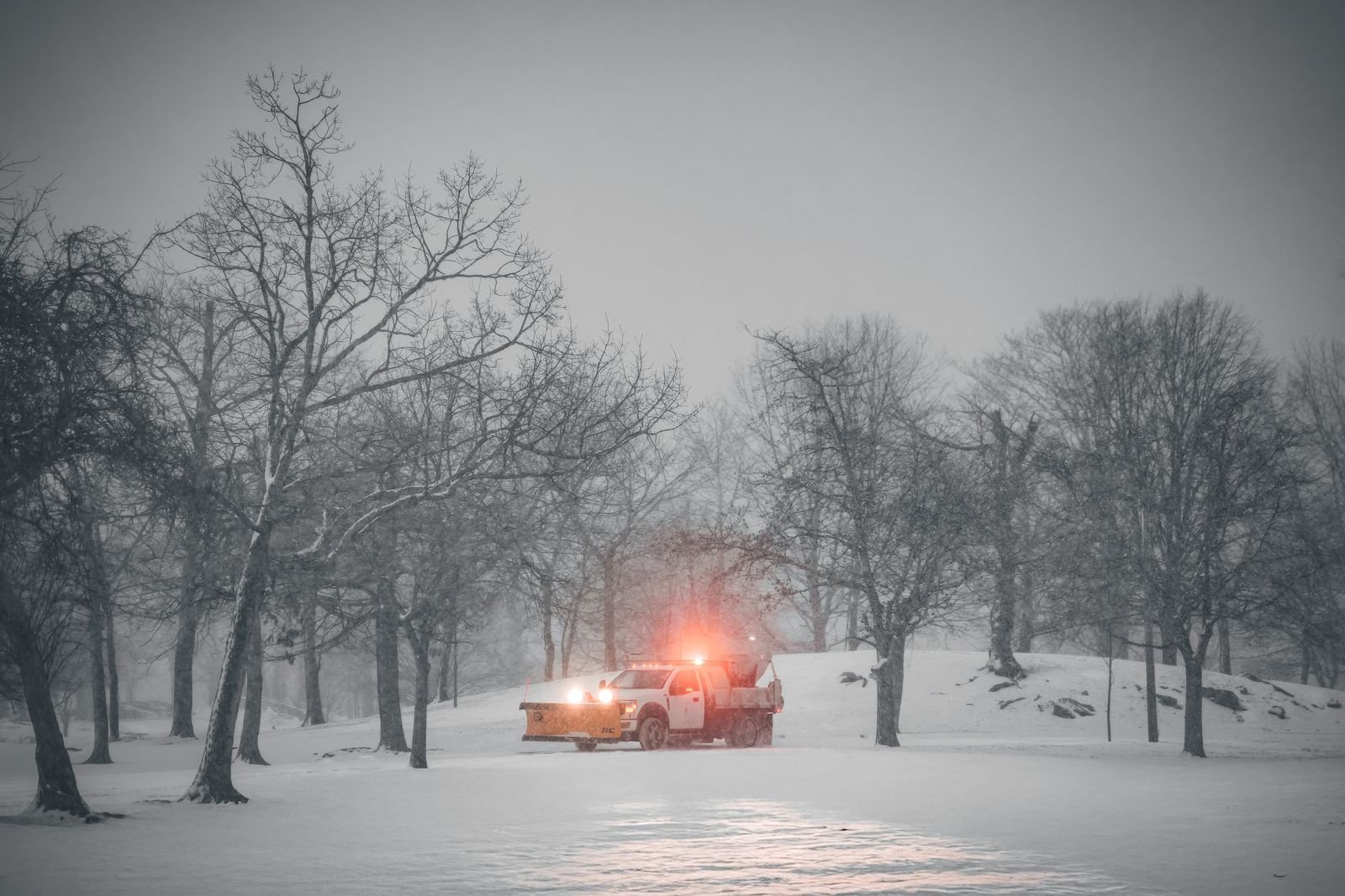
Every winter tree emergency Syracuse NY residents call us about starts the same way. Something happened fast, usually overnight or during a storm, and now there is a tree on a car, a limb through a roof, or a whole tree blocking a driveway with someone needing to get to work in an hour. Winter emergencies do not wait for convenient timing, and neither can the response. Over years of working through Central New York winters, we have built our whole operation around being able to move quickly when a call comes in that cannot wait for the regular schedule.
What makes winter different from a summer storm call is the compounding conditions. It is not just a downed tree, it is a downed tree sitting in freezing temperatures, often still covered in ice or snow, sometimes near power lines that are harder to see clearly, with roads that may be icy for the crew getting there. Handling that safely takes a different level of preparation than a routine trim.
What Counts as a True Tree Emergency
Not every winter tree problem needs a call at two in the morning, but some clearly do. A tree or large limb resting on a house, garage, car, or power line is always an emergency. A tree that has partially uprooted and is leaning at a new angle, especially with visible soil movement at the base, needs immediate attention because it can fail completely with very little added stress. A split trunk, a crack running down the bark, or a limb hanging by a thread of wood over a walkway, driveway, or area where people pass through all qualify as urgent situations rather than something to schedule for next week.
On the other hand, a small broken branch sitting harmlessly in the middle of the yard, or minor cosmetic damage from wind, can usually wait for regular business hours. Knowing the difference helps homeowners make the right call and helps us prioritize the properties that genuinely cannot wait, whether that is in Syracuse, De Witt, or anywhere else we cover.
How Our Crew Responds When the Call Comes In
When an emergency call comes through, the first questions are always about safety. Is anyone in danger, is a power line involved, is the tree actively moving. Those answers determine how we dispatch and what equipment goes out first. For anything involving utility lines, we coordinate with the power company before our crew gets close to the tree, because ice and snow can make it hard to tell a live line from a fallen branch at a glance, and that is not a risk worth taking.
Once on site, the crew assesses the whole situation, not just the obvious damage. Ice storms in particular tend to cause damage in more than one spot on a tree, so a limb that already came down might not be the only weak point. We stabilize anything that is still unstable, clear immediate hazards first, and then move into full tree removal or targeted trimming depending on what the tree actually needs. Speed matters, but not at the expense of doing it safely, especially on icy ground where footing is already a challenge for the crew.
Why Winter Emergencies Happen More Than People Expect
Central New York sees a real mix of winter threats that each stress trees differently. Lake effect snow off Lake Ontario can dump a foot or more of heavy, wet snow in a matter of hours, loading down limbs that were fine the day before. Ice storms coat branches in a shell of ice that adds weight without any flexibility, which is often what causes the loudest, most sudden failures. Then there are the freeze thaw cycles that run through the whole season, where melting snow refreezes overnight and slowly works into existing cracks in bark and wood, weakening trees that already had some hidden damage from a previous season.
Trees that went into winter already stressed, whether from disease, storm damage the previous year, or root issues, are the ones most likely to become emergency calls once the weather turns. This is part of why we recommend a fall inspection and tree trimming and pruning before winter really sets in, ideally before the first heavy snow typically arrives in late October or November. Removing weak wood ahead of time genuinely reduces the number of emergency calls a property generates later in the season.
The Equipment and Crew Behind a Fast Response
Responding quickly to a winter emergency takes more than good intentions. It takes the right trucks, chainsaws that are maintained and ready regardless of temperature, rigging equipment for controlled lowering near structures, and a bucket truck or crane available for situations where climbing an ice covered tree would be unsafe. We keep equipment ready through the entire storm season rather than scrambling to prep gear once a call comes in, because the properties calling us in the middle of a storm need a crew that can move the moment they arrive, not one still loading a truck.
Crew experience matters just as much as equipment. Reading how a tree is loaded under ice or snow, figuring out which cut releases pressure safely versus which one causes a limb to whip unexpectedly, and knowing when a situation calls for a different approach entirely all come from years of doing this specific kind of work in specific Central New York conditions. A crew that mostly handles routine spring and summer trimming is not automatically prepared for a tree tangled in ice at eleven at night, and that difference shows up in how safely and how quickly a job gets done.
Typical Costs for Emergency Winter Tree Work
Emergency pricing reflects the added complexity of the situation rather than a simple rush fee. A straightforward emergency, like a single limb resting on a garage roof with good access, might run a few hundred dollars to safely remove and haul away. A more complex situation, such as a tree tangled with power lines or leaning into a house requiring rigging and possibly a crane, can run well into the thousands once you account for the equipment, the extra crew needed for safe rigging, and the time required to do it carefully rather than quickly. We always explain the scope of work before starting so there are no surprises once the job is underway.
What You Can Do While You Wait for Help
If you are dealing with an active emergency, the most important thing is keeping people and pets away from the area, including anyone tempted to get a closer look or take photos from underneath the damaged tree. Do not attempt to cut branches yourself, especially anything under tension or near a structure. If a limb or tree is resting on your house, try to identify which rooms are affected and avoid using them until the crew arrives and clears the hazard. If power lines are involved in any way, treat them as live and stay well back, then call the utility company in addition to us.
We serve properties throughout Syracuse and the surrounding towns and know that winter emergencies do not follow a schedule. Whether it is two in the afternoon or two in the morning, having a crew that understands ice, snow load, and how Central New York winters actually behave makes a real difference in how fast and how safely the situation gets resolved.
If you are facing a winter tree emergency right now, do not wait. Call RR Landscaping and Tree Services at (315) 641-8222 and we will get a crew responding as quickly as conditions safely allow.
Want it handled?
Our crews handle tree care, landscaping, drainage, and snow plowing across the Syracuse area. Get a free, no-obligation estimate.
Get a Free Estimate