
Tree Removal After a Snowstorm: What Property Owners Need to Know
Waking up to a downed tree after an overnight snowstorm is one of the more disorienting things a homeowner can deal with. One night everything looks normal, and by morning there is a tree across the driveway, resting on a fence, or worse, leaning into the roofline. Tree removal after snowstorm Syracuse NY events is something our crews handle constantly between late October and March, and there is a fairly consistent process for getting a property back to normal safely, without making a bad situation worse.
Central New York storms rarely give much warning once the lake effect bands set up off Lake Ontario. A forecast calling for six inches can turn into eighteen by morning, and when that snow is wet and heavy, it puts enormous strain on trees that were perfectly healthy the day before. Knowing what to do in the first few hours after a storm makes a real difference in how smoothly the cleanup and any insurance process go.
The First Things to Check When You Wake Up to a Downed Tree
Before anything else, look for downed power lines anywhere near the tree, including lines that may be tangled in the branches or hidden under snow. If there is any chance a line is involved, stay back and call the utility company first, not a tree crew. Power lines under snow load can be live even if they look disconnected, and this is genuinely one of the more dangerous parts of winter storm cleanup.
Once you know the area is safe, check whether the tree is actually stable or still moving. A tree that fell fully to the ground is usually done moving, but a tree that is leaning against your house, a neighbor’s fence, or another tree is a different story. That kind of situation is unstable and can shift further with wind or additional snow, so keep people and pets away from the area entirely until a crew arrives.
Assessing the Damage Before Removal Begins
When we get a call for tree removal after a snowstorm, the first thing our crew does on site is a full assessment, not just of the fallen tree but of everything around it. That includes checking nearby trees for hidden damage, looking at whether the root ball has partially lifted out of the ground, and figuring out the safest direction and method to bring the rest of the tree down or clear it away.
A tree leaning on a structure requires a different approach than one that is fully down in an open yard. We often need to rig and lower sections piece by piece rather than cutting from the base, especially in tight spaces near a house, garage, or driveway in neighborhoods around Syracuse and De Witt where lots tend to be close together. Rushing this step is how additional damage happens, so we take the time to plan it out even when a homeowner is understandably eager to get things cleared.
What the Removal Process Actually Looks Like
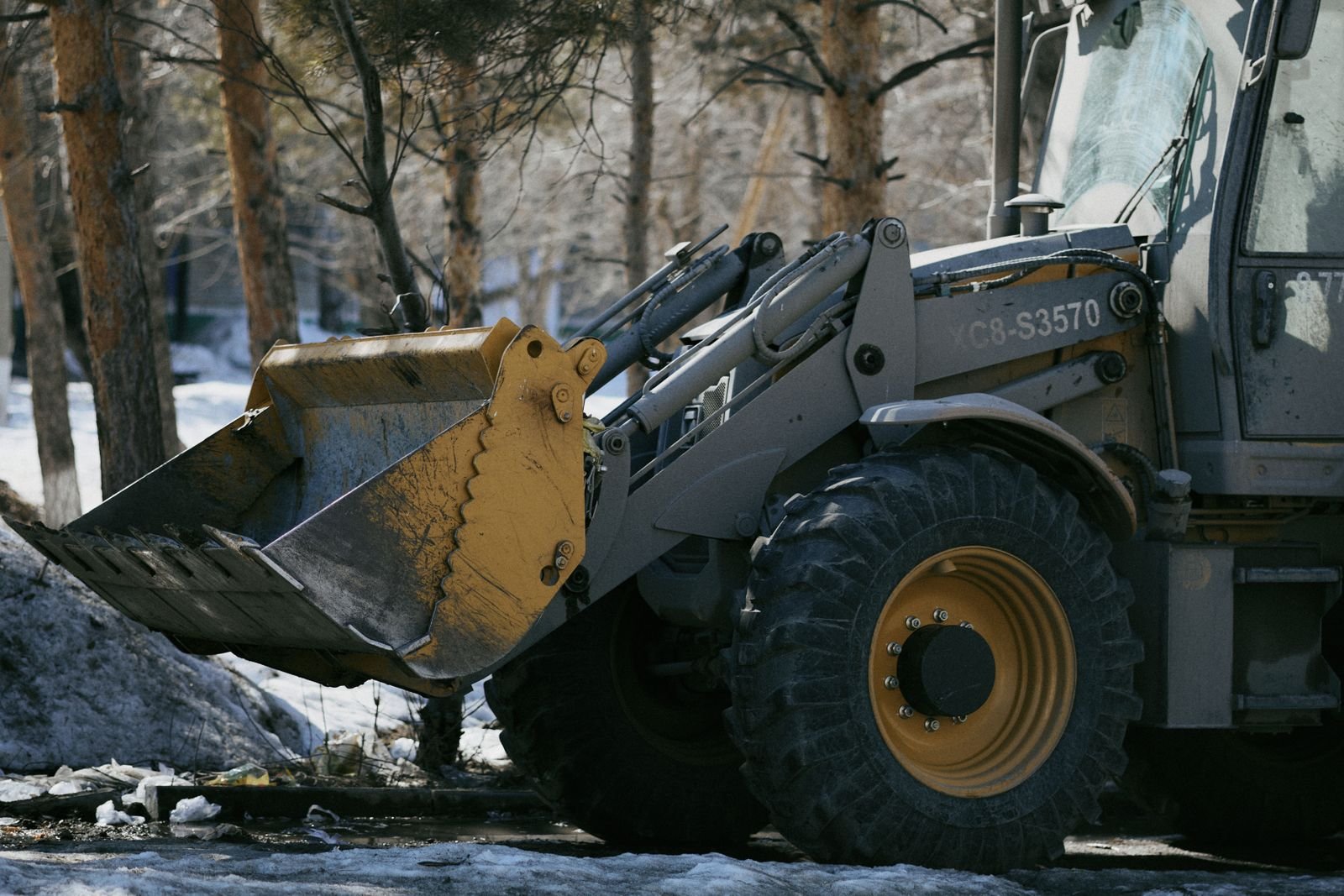
Once the site is assessed, the crew works to relieve pressure safely, usually starting with smaller limbs and working toward the larger sections of trunk. If the tree is resting on a structure, we stabilize it with rigging before cutting so it does not shift unexpectedly and cause more damage to a roof or wall. Heavy equipment like a bucket truck or crane comes into play for larger trees or ones in locations where climbing would be unsafe given the ice and snow already on the bark.
After the tree is down and cleared, we deal with the stump if the homeowner wants it handled right away or scheduled for later. Winter ground is often frozen too hard for efficient stump grinding, so sometimes that part of the job gets scheduled for early spring once the ground softens up, while the tree itself and the debris get cleared immediately so the property is safe and accessible.
Cost Factors and What to Expect Financially
Cost after a storm depends on a handful of real factors rather than a flat rate. Size and species matter, since a large oak takes far more time and equipment than a smaller ornamental tree. Access matters too. A tree that fell into a backyard with no vehicle access costs more to remove than one sitting in an open front yard. Whether the tree is entangled with a structure, a fence, or another tree adds complexity and time as well.
Most storm related removals in our area run from a few hundred dollars for a smaller tree with easy access up to several thousand for a large tree tangled with a structure or requiring crane work. Homeowners insurance often covers storm damage removal when the tree has damaged a covered structure, so it is worth calling your insurance company early in the process and keeping photos of the damage before cleanup begins.
Dealing With the Insurance Side of Storm Damage
Most homeowners policies cover tree removal when the tree has damaged a covered structure like a roof, garage, fence, or vehicle, but coverage gets murkier when a tree falls in the open yard without hitting anything. In that case, removal is often the homeowner’s responsibility unless the policy specifically includes debris removal as a separate line item, so it is worth reading your policy or calling your agent before assuming everything is covered.
Documentation matters more than people expect. Take photos from multiple angles before anything is moved, note the date and approximate time you discovered the damage, and keep any receipts related to temporary repairs like a tarp over a damaged roof section. We provide a written estimate and invoice for every job, which insurance adjusters generally want to see, and we are happy to talk directly with an adjuster if that helps move a claim along faster.
What to Do While You Wait for a Crew
If a storm has just knocked a tree down and you are waiting for someone to arrive, there are a few things worth doing in the meantime as long as it is safe. Keep everyone, including pets, away from the tree and anything it is resting against. If part of the roof or siding has been damaged and weather is still active, a temporary tarp can prevent water intrusion, but only if you can place it without climbing near the damaged area yourself. Move vehicles away from anything leaning or unstable, even if it looks like it has settled, since additional snow or wind can shift it further before a crew gets there.
Avoid the temptation to start cutting smaller branches yourself to speed things along. Branches under tension from a fallen tree can release suddenly, and even a small limb moving at speed can cause a serious injury. It is always better to wait for a crew with the right equipment and experience reading how a downed tree is actually loaded.
Why Fast Response Matters After a Storm
A downed or leaning tree is not just a mess, it is an ongoing hazard until it is properly removed. Every additional snowfall or freeze thaw cycle adds weight and risk, especially if the tree is partially uprooted and still connected. We prioritize storm calls above regular scheduling for exactly this reason, because the window between a tree becoming unstable and it fully failing can be short, and property owners in Syracuse, Liverpool, and East Syracuse need that handled quickly, not weeks later.
If a storm has left you with a tree down on your property, do not wait to see if it settles on its own. Call RR Landscaping and Tree Services at (315) 641-8222 and we will get a crew assessing and clearing the damage as fast as safely possible.
Want it handled?
Our crews handle tree care, landscaping, drainage, and snow plowing across the Syracuse area. Get a free, no-obligation estimate.
Get a Free Estimate