
Stump Grinding vs Stump Removal: Which Is Right for You
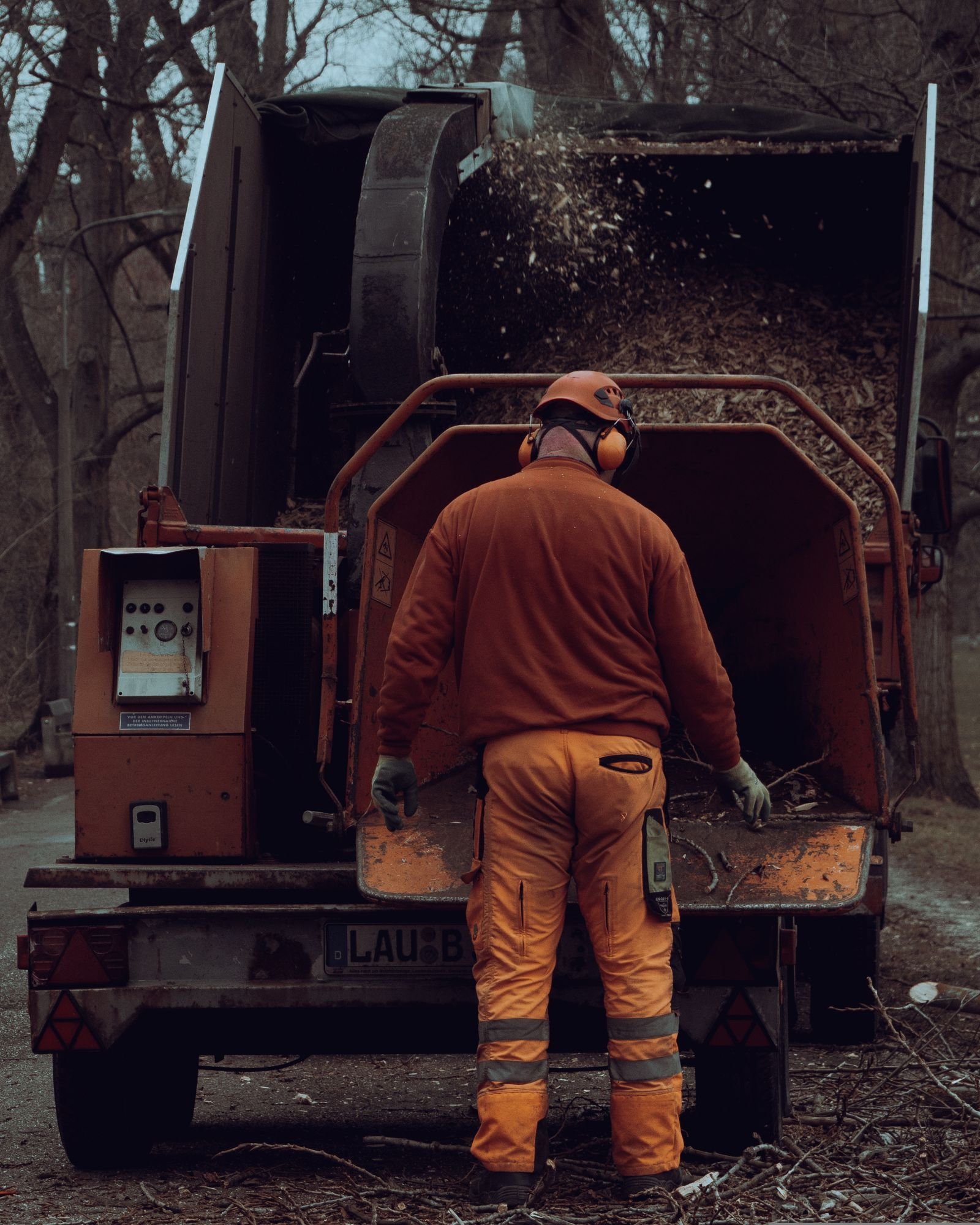
Once a tree comes down, most homeowners assume the job is finished, until they look at the stump sitting in the middle of the yard and realize there is still a decision to make. The two main options are grinding and full removal, and they are genuinely different processes with different costs, timelines, and end results. Understanding stump grinding Syracuse NY property owners typically choose versus complete removal will save you from picking the wrong one and having to redo the work later.
What Stump Grinding Actually Does
Grinding uses a machine with a rotating cutting wheel to chew the stump down below ground level, typically four to six inches deep or more depending on what you plan to do with the area afterward. The wheel works through the wood and the top portion of the root system, turning it into wood chips as it goes. What is left behind is a hole filled with loose wood chips and soil rather than a solid chunk of wood, and the roots deeper in the ground stay in place, they are simply cut off from the stump above and left to decompose naturally over the following years.
The whole process for an average residential stump usually takes well under an hour of actual grinding time, though larger stumps or ones with extensive surface roots take longer. It is far less invasive to the surrounding yard than full removal since the equipment works in a relatively contained area rather than tearing up a wide section of lawn.
What Full Stump Removal Involves
Removal is a bigger undertaking. Instead of grinding the stump down, the entire stump and its major root system get pulled out of the ground, usually with heavy equipment that digs around and underneath the root ball before extracting it. This leaves a genuine hole, sometimes a large one depending on the tree’s size, that needs to be filled with soil and typically reseeded or resodded. Removal disturbs more of the surrounding area, which can affect nearby landscaping, irrigation lines, or hardscaping if they are close to the stump.
The tradeoff is that removal gets rid of the entire root structure at once rather than leaving it to break down over time. If you are planning to build something in that exact spot, like a shed foundation, a paver patio, or a new tree planted in the same location, full removal sometimes makes more sense so you are not digging through old roots later.
Which One Should You Choose
For most residential situations, grinding is the better fit. It costs less, takes less time, causes minimal disruption to the surrounding lawn, and leaves the area ready to be filled with topsoil and reseeded within the same visit. The leftover roots decompose on their own over the following years without causing problems for typical lawn use, walking, mowing, or planting grass or shallow rooted plants over the area.
Full removal makes more sense in narrower situations, mainly when something is being built directly on that footprint that requires the roots to be completely clear, or when the roots themselves are causing an active problem, lifting a nearby walkway, interfering with a foundation, or growing into a septic line or drainage pipe. If you are not planning any construction on the spot and just want the stump gone so you can mow over it or plant grass, grinding almost always gets you there faster and for less money.
What Happens After Grinding
Once the grinding wheel finishes its pass, you are left with a mound of loose wood chips and soil where the stump used to be. Some homeowners like to keep a portion of those chips for mulch around garden beds, since fresh stump grindings work fine for that once they have a season to break down. For the rest, we typically rake the area, fill any low spots with additional topsoil so the ground sits level with the surrounding lawn, and leave it ready for grass seed. Keep in mind the area will settle somewhat over the following weeks as the chips underneath continue to compress and decompose, so a light touch up with extra soil later in the season is normal and not a sign anything was done wrong.
If grass in that spot has struggled in the past because of shade or soil quality near the old tree, this is also a good moment to consider a different ground cover or a small planting bed instead of fighting to establish turf in a difficult spot.
What Affects the Cost
Stump size and root spread are the main cost drivers for grinding. A small ornamental tree stump is a quick, inexpensive job, while a large old growth stump with a wide root flare takes more time and machine work. Accessibility matters too, a stump out in the open yard is easier and faster than one wedged between a fence and a foundation, or one with a lot of surface roots that need to be worked around carefully. Multiple stumps done in the same visit are typically more efficient than scheduling them separately, so if you have more than one stump sitting around, it is worth getting them all quoted together.
Full removal costs more across the board because of the extra equipment time, the larger hole that results, and the fill and reseeding work needed afterward to restore the yard.
Old Stumps and Hidden Hazards
A stump that has been sitting for several years is not just a cosmetic problem. Decaying wood attracts carpenter ants and other wood boring insects that can eventually move on to nearby structures if the stump is close to a house, deck, or fence. Old stumps also become soft and unstable underfoot, which is a real trip hazard if grass or weeds have grown up around it enough to hide the edges. We have ground down stumps that were completely swallowed by lawn grass for so long the homeowner had genuinely forgotten the exact size and shape of what was underneath until the machine got to work. If you have an old stump you have simply been mowing around for years, there is rarely a downside to finally having it cleared.
Why Stumps Do Not Wait Well in Our Climate
Central New York’s freeze and thaw cycles actually accelerate the natural breakdown of stumps and roots over time, which sounds helpful until you consider what that process does to the surrounding ground. As roots decompose, the soil above them can settle unevenly, creating dips and soft spots in the lawn that show up more noticeably after a wet spring or heavy snowmelt. A stump that sits untouched for several winters often leaves behind a rougher, less predictable yard surface than one that was ground down and properly filled soon after the tree came down. If you had tree work done recently in Camillus or elsewhere around Syracuse and the stump is still sitting there, it is worth scheduling grinding before another winter passes.
If the original tree came down due to storm damage or disease, it is also worth having us check nearby trees while we are onsite. Problems that affected one tree sometimes point to conditions, like poor drainage or storm exposure, that put others on the property at risk too, which is where tree removal or preventive trimming can come in.
Get a Stump Quote
Whether you already know which option you want or you need help deciding, we can look at the stump in person and give you a straight answer on what makes sense for your yard and your plans for the space. We serve Camillus, Syracuse, and the surrounding communities. Call (315) 999-5615 to schedule a free estimate.
Want it handled?
Our crews handle tree care, landscaping, drainage, and snow plowing across the Syracuse area. Get a free, no-obligation estimate.
Get a Free Estimate