
Snow Load and Tree Damage: When to Call a Professional
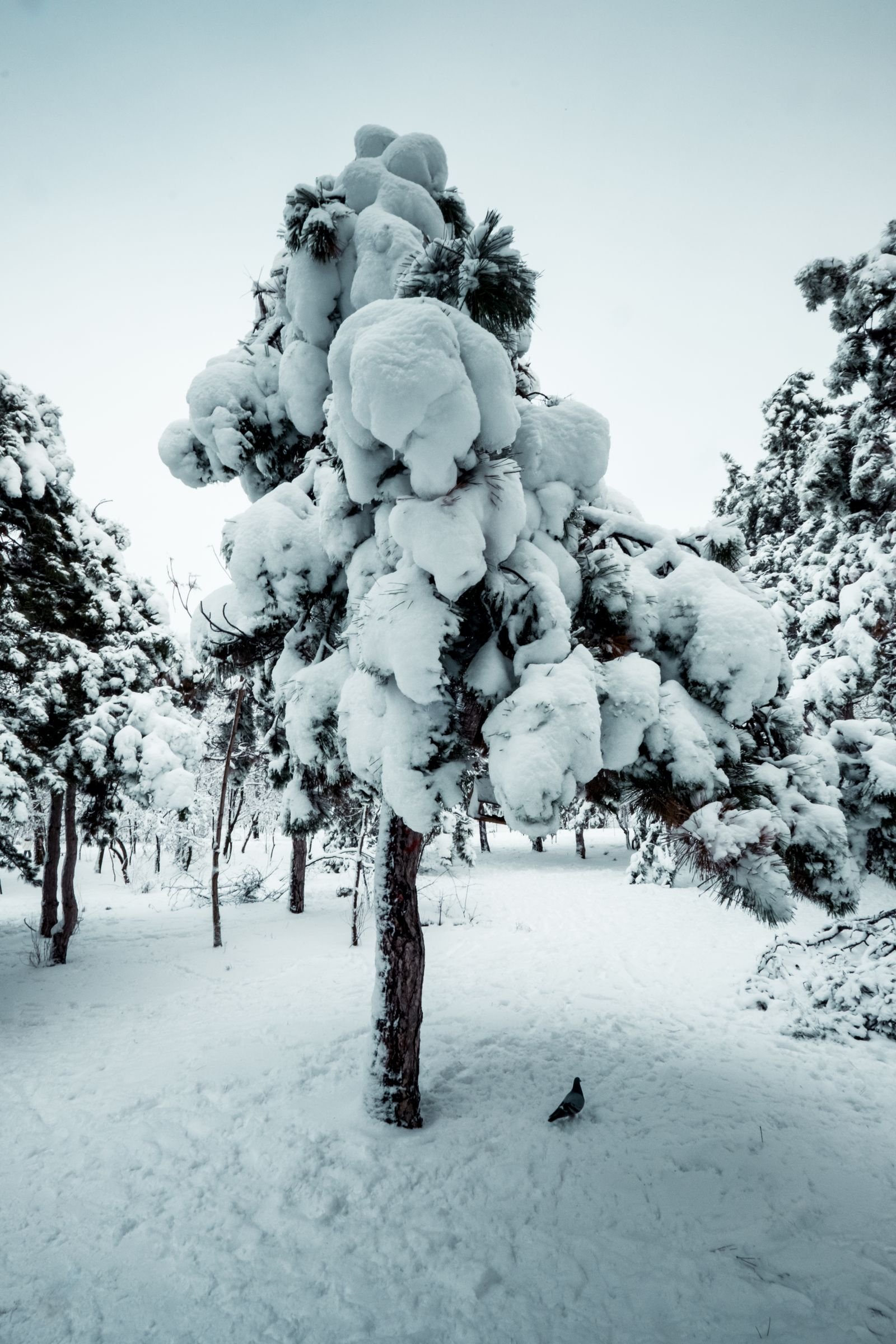
By the time the first real snow load tree damage Syracuse NY homeowners deal with each year shows up, most people have already forgotten how heavy snow actually gets. A dry, powdery snowfall in January is nothing like the wet, dense snow that tends to hit Liverpool and the rest of the Syracuse area in November and again in early spring. That wet snow can add hundreds of pounds to a single limb in just a few hours, and a lot of homeowners do not realize how much stress their trees are carrying until something breaks.
We get calls every winter from people who heard a crack in the middle of the night or walked outside to find a limb resting on their garage roof. Most of the time there were signs before it happened. Understanding how snow load actually affects a tree, and knowing when a crack or a lean is serious, can save you a repair bill and possibly keep someone safe.
How Snow Actually Loads a Tree Canopy
Snow weight is not just about how many inches fall. Wet, heavy snow packed with moisture can weigh two to three times as much as the same depth of dry powder. A foot of wet lake effect snow off Lake Ontario can put thousands of pounds of extra weight across a large mature tree’s canopy, and that weight is not distributed evenly. It collects on horizontal limbs, on branches with dense foliage still clinging on from a late fall, and on any limb that already had a weak union or included bark from years of growth.
Ice makes it worse. When Central New York gets one of its freeze thaw cycles, a limb that was carrying wet snow can end up coated in a layer of ice on top of it. That combination is what causes the loudest cracks and the most sudden failures, because the tree has almost no flexibility left to bend under the load.
Which Trees Around Liverpool and Syracuse Are Most at Risk
Some species handle snow load far better than others. Silver maples, Bradford pears, and willows tend to have weaker wood and wide branch angles that split easily under weight. We see a lot of storm calls involving these species specifically because their structure was never built to carry heavy loads. Evergreens like spruce and pine can actually shed snow more effectively because of their conical shape, but even they can lose limbs when snow arrives before the tree has fully hardened off for the season, which happens more often than people expect with early lake effect events in late October and November.
Trees that already have structural issues, like codominant stems, cracks from a previous storm, or decay in the trunk, are the ones most likely to fail under snow load. If you have had a tree trimming and pruning done in the past few years and the canopy is well balanced, that tree is going to handle winter weight much better than one that has never been thinned out.
Warning Signs You Should Never Ignore
A few things should send you outside with a flashlight or straight to the phone. A sudden cracking sound, especially at night during or right after a snowfall, usually means wood fibers are separating somewhere in the canopy. A limb that is bent lower than usual and staying that way even after some snow has melted off is under more stress than it can recover from on its own. Bark that has split open along a limb or the main trunk is a sign the wood underneath has already failed structurally, even if the limb has not dropped yet.
Leaning that appears suddenly, rather than a lean the tree has always had, is one of the more serious signs, especially if you notice soil heaving or cracking around the base of the trunk. That can mean the root system is starting to give way, and a tree in that condition can come down with very little additional force. If you see any of these signs on a property in Liverpool, Clay, or anywhere else in the area, it is worth having someone look at it before the next storm adds more weight.
What to Do When You Spot Snow Load Damage
The first thing to do is stay away from the tree and keep kids and pets clear of the area underneath it. Snow loaded limbs can fail without warning, and a limb that looks stable one hour can drop the next once temperatures shift or more snow accumulates. Do not try to knock snow off a limb yourself with a rake or pole. It feels like it should help, but the sudden release of weight can cause the limb to snap back violently, and climbing or reaching to do it puts you at real risk of a fall.
Photograph the damage if it is safe to do so from a distance, which helps if you end up filing an insurance claim. Then call a professional to assess it. Not every cracked limb needs full removal. Sometimes a targeted trim resolves the issue and protects the rest of the tree. Other times, especially with larger limbs or trees showing root or trunk damage, tree removal is the safer call. We evaluate the whole tree, not just the obvious damage, because snow load stress often shows up in more than one spot at once.
What Snow Load Cleanup Typically Costs
Cost after snow load damage depends on what actually needs to happen once we get eyes on the tree. A single damaged limb that just needs a clean cut and some canopy thinning is a relatively small job, often a few hundred dollars depending on height and access. A tree that needs to come down entirely because of trunk damage or a compromised root system runs higher, generally into the low to mid thousands once you factor in size, proximity to a house or power line, and whether we need a crane or bucket truck to reach it safely.
Access plays a bigger role than most people expect. A tree in an open front yard with easy equipment access costs less to handle than one wedged between a fence, a shed, and a neighbor’s property line. Trees near power lines also require extra caution and sometimes coordination with the utility company, which adds time to the job. We always walk the property and give a clear estimate before starting anything, so there are no surprises once the crew gets to work, and we explain which parts of the job are truly necessary versus optional.
Preventing Snow Load Problems Before They Start
The best defense against snow load tree damage is proactive care earlier in the fall. Removing dead or weak wood before the first snowfall means there is less to fail under pressure. Thinning a dense canopy lets snow pass through more easily instead of collecting in heavy clumps. Cabling or bracing can help support a tree with a structural weakness that is worth saving rather than removing. This kind of work is much easier and safer to do in October than it is trying to assess a damaged tree in the middle of a February storm, so if you have not had your trees looked at yet this season, now is the time.
We work across Syracuse, Liverpool, and the surrounding towns every winter responding to exactly this kind of damage, and the pattern is always the same. The properties that had some preventive trimming done in the fall have far fewer emergency calls once the snow starts piling up. If your property is in Liverpool or nearby and you want a crew to take a look before the next storm rolls in off the lake, we would rather come out now than get the call after a limb is already down.
If you are seeing cracked bark, a sudden lean, or limbs sagging under snow right now, do not wait to see what happens with the next storm. Call RR Landscaping and Tree Services at (315) 641-8222 and we will get a crew out to assess the damage and handle whatever needs to come down safely.
Want it handled?
Our crews handle tree care, landscaping, drainage, and snow plowing across the Syracuse area. Get a free, no-obligation estimate.
Get a Free Estimate