Fallen Tree Removal: What to Do First
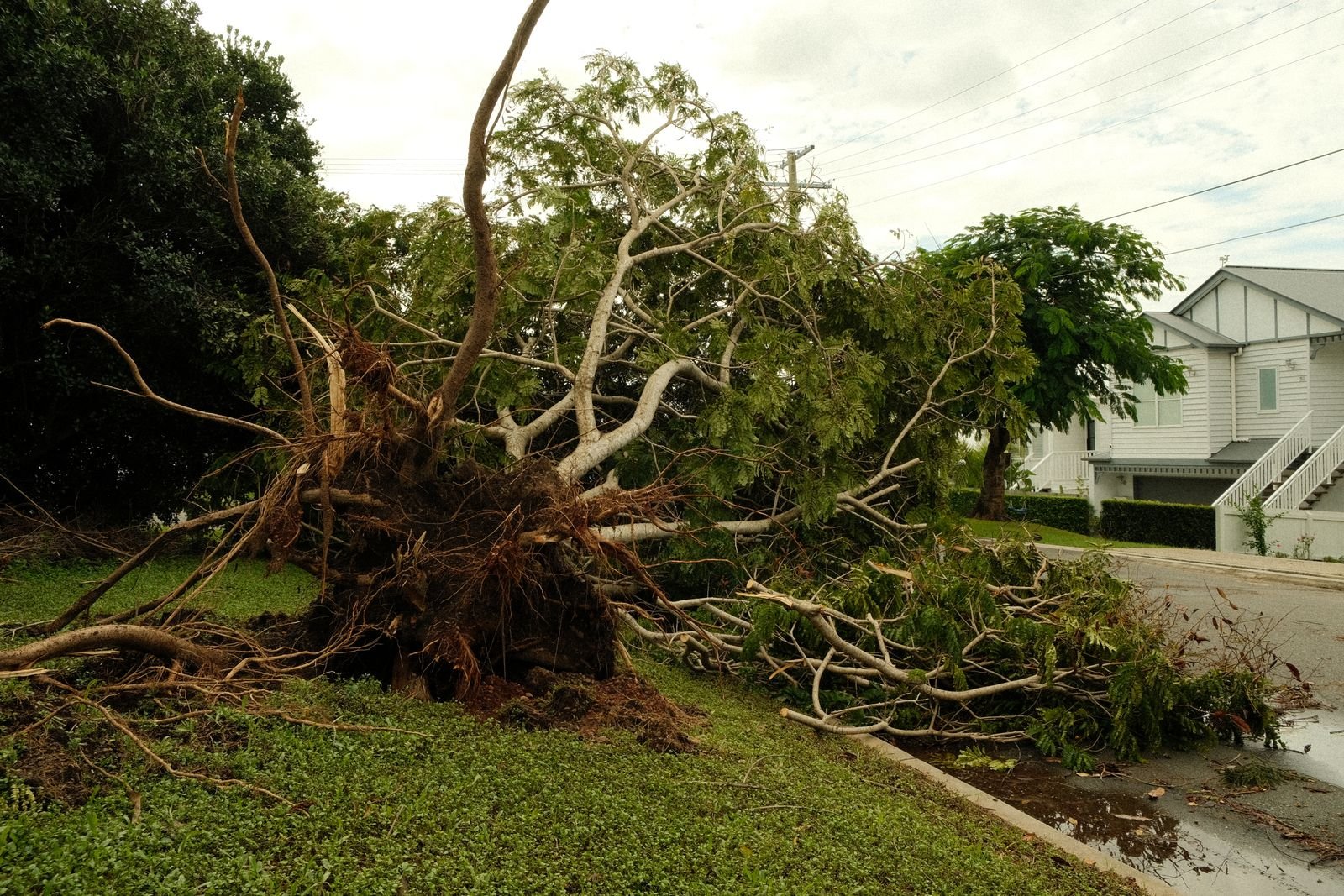
There is a specific kind of panic that hits when you walk outside after a storm and find a tree down across your yard, your driveway, or worse, your roof. The good news is that most of these situations, while stressful, are manageable if you handle the first hour correctly. Knowing the right steps for fallen tree removal Syracuse NY homeowners need after a storm can keep a bad morning from turning into a genuinely dangerous one.
Check for Immediate Danger First
Before anything else, look for downed power lines. A fallen tree that took a line down with it is an electrocution risk, and you cannot always tell by looking whether a line is live. Treat any wire near a fallen tree as energized and dangerous, keep everyone including pets well away from it, and call the utility company right away in addition to any other calls you make. Do not attempt to move the tree or cut branches near a line yourself under any circumstances.
Next, check whether the tree is actually stable or still shifting. A tree that fell partway, caught in the branches of a neighboring tree or leaning against your house, is more dangerous than one that is fully down and resting on the ground. These partially fallen trees, sometimes called hangers or widow makers in the industry, can shift or drop without warning. If you see this situation, stay clear of the area entirely and treat it as a job for professionals with the right rigging equipment, not something to handle with a homeowner chainsaw.
Document Before You Touch Anything
If it is safe to do so from a distance, take photos and video of the tree, the damage to your property, and the surrounding area before anything gets moved or cleaned up. Insurance companies want to see the original scene, not just the aftermath, so this step can save you a lot of back and forth later. Get wide shots showing the whole tree and its position, plus closer photos of any specific damage to a roof, fence, vehicle, or structure. If a neighbor’s property is involved, document that too, since fallen trees crossing a property line can get complicated when it comes to who pays for what.
Call Your Insurance Company Early
Most homeowner policies cover fallen tree removal when the tree damages a structure, though coverage for a tree that fell in the yard without hitting anything varies more by policy. Call your insurer as soon as you reasonably can, both to start the claim and to ask whether they want you to get quotes from specific vendors or whether you can choose your own tree service. Keep any receipts for emergency work, tarps, or temporary repairs, since those are often reimbursable as part of preventing further damage to the property.
Why You Should Not Try This Yourself
We understand the instinct to grab a chainsaw and start clearing debris, especially if the tree is blocking a driveway you need for work or school. But a fallen tree under tension is not the same as cutting firewood in your yard on a calm day. Trees that have fallen against a structure or another tree often have stored energy in the trunk and branches that releases unpredictably when a cut is made, and that energy can cause a limb to snap back with serious force. Add wet or icy conditions, which are common during the storms that cause this kind of damage in the first place, and the risk goes up further. This is genuinely one of the more dangerous jobs in tree work, which is exactly why professional crews train specifically for storm response.
If the Tree Fell on a Vehicle or Structure
When a tree comes down on a car, a shed, or part of a house, resist the urge to try to shift or lift any part of it to free the vehicle or check the damage underneath. The weight distribution changes the moment any part of the tree is moved, and what looked stable can suddenly settle in a different direction. If a vehicle is trapped, wait for professionals who can assess how the weight is bearing before anything gets cut or moved. For a house, especially if the tree has broken through a roof line, check for signs the interior ceiling has been compromised, staining, sagging, or cracking, and keep people out of that room until the tree is off and a contractor can evaluate the structure. A tarp over an open roof section can help prevent water damage in the meantime if you can safely access that area, but do not go up on a damaged roof yourself.
What Professional Removal Looks Like
When we respond to a fallen tree call, the first thing our crew does onsite is reassess the situation in person, since conditions can look different up close than from a distance, especially regarding tension in the wood and any hazards that were not obvious from photos or a phone description. From there we work the tree apart in a controlled sequence, cutting off pressure points first and working toward the main trunk, rather than just cutting wherever looks convenient. If the tree is on a structure, we coordinate the removal carefully to avoid causing more damage while the weight is being taken off the roof or wall.
Once the tree is fully removed, we handle debris cleanup and hauling so you are not left with a yard full of brush and logs. If the stump is a concern, we can talk through stump grinding options at the same visit rather than making that a separate call later.
Multiple Trees Down at Once
Bigger storms often do not leave just one tree down, they leave several across a property or a whole street. When that happens, triage matters. We prioritize hazards over convenience, meaning a tree blocking access to power lines, threatening a structure, or partially fallen and unstable gets addressed before one resting harmlessly in an open part of the yard, even if the harmless one is more visually annoying day to day. If you have several trees down and are trying to describe the scene over the phone, mention anything near power lines or leaning against a structure first, since that changes how quickly we need to get a crew to you and what equipment they bring.
Why This Happens So Often Here
Central New York gets hit with a mix of weather that is genuinely hard on trees. Lake effect snow squalls can drop a foot of heavy, wet snow in a matter of hours, and that kind of weight is exactly what pushes an already weakened tree past its limit. Ice storms coat branches in a layer that multiplies their weight several times over, and high wind events on top of saturated ground from rain or snowmelt can loosen root systems enough that even a healthy looking tree goes down. We see a real spike in fallen tree calls across Syracuse and the surrounding towns every time one of these systems moves through, which is part of why we keep crews ready to respond quickly rather than booking storm calls weeks out.
If a tree on your property has been showing warning signs before a storm even hits, it is worth getting ahead of it with an inspection or trimming rather than waiting for it to become an emergency.
Call Us Any Time
If you have a fallen tree on your property right now, do not wait and do not try to handle it alone. Call (315) 999-5615 and we will walk you through next steps and get a crew out to assess the situation safely. We respond to storm damage throughout Syracuse and the surrounding area, day or night.
Want it handled?
Our crews handle tree care, landscaping, drainage, and snow plowing across the Syracuse area. Get a free, no-obligation estimate.
Get a Free Estimate