
Emergency Tree Service After a Storm
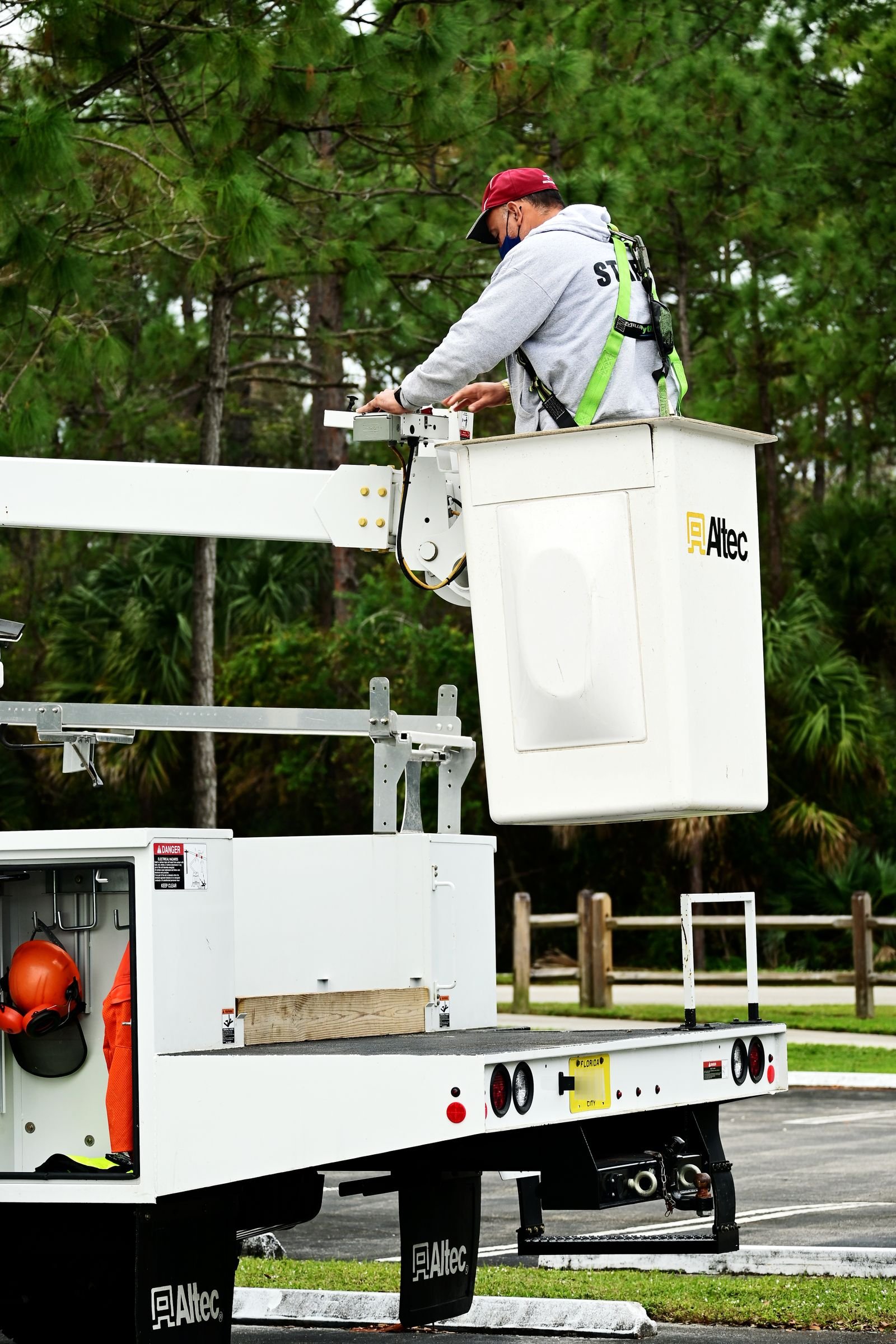
When a storm rolls through Liverpool, the difference between a stressful afternoon and a genuine crisis usually comes down to how fast you can get a tree off whatever it landed on. Central New York storms move quickly, and a summer downburst or a late season ice event can drop a mature tree across a driveway, a roof, or a power line in seconds. That is exactly when you need emergency tree service in Liverpool NY, not a scheduled appointment two weeks out. Knowing what actually counts as an emergency, what to do in the meantime, and what our crew does when we get the call can make those first hours a lot less overwhelming.
What Actually Counts as a Tree Emergency
Not every storm damaged tree needs a call at eleven at night, but some situations genuinely cannot wait. A tree resting on a house, garage, or vehicle is always an emergency, even if it looks like it is just leaning there and not doing further damage, because shifting weight and wind can bring more of the tree down without warning. A tree down across a driveway or the only road in or out of a property is an access emergency, especially if someone in the home has a medical condition or needs to get to work.
A large limb that has broken but is still hanging in the canopy, sometimes called a widow maker, is one of the most dangerous situations in tree work because it can drop with no warning and no sound. If you see a broken limb still tangled in the branches above a walkway, driveway, or play area, treat it as an emergency and keep people away from that spot. A tree that is visibly leaning further than it used to, especially with soil heaving or cracking at the base, is also telling you it may be in the process of failing.
Anything involving power lines is its own category. A tree down on or near an electrical line is not something to approach at all. Call the utility company first to report it, keep everyone well back, and then call us so we can coordinate the tree work once the utility has confirmed the lines are safe or has cut power to them.
Not everything qualifies as urgent, and it helps to know the difference so you are not waiting on hold during a widespread event over something that can safely wait until morning. A few small twigs and leaves scattered across the yard, a birdbath knocked over, or minor cosmetic damage to a hedge is not an emergency, even right after a rough storm. The same goes for a tree that lost a small branch nowhere near a structure, walkway, or line. Saving the urgent calls for genuine hazards means our crew can reach the driveways, roofs, and power line situations that actually cannot wait.
What Happens When You Call Us During a Storm
During an active storm event, our crew works through a triage process, the same way an emergency room would. Calls involving a tree on a structure, a tree blocking the only way in or out of a property, or a hazard directly threatening someone’s safety go to the top of the list. We assess the scene before anyone starts cutting, checking for hung up limbs, checking the direction the tree wants to move if disturbed, and confirming there is no contact with electrical lines.
In many cases, the first visit is about stabilizing the situation rather than completing full removal. That might mean cutting a tree off a roof and setting it safely on the ground, clearing enough of a driveway to get a car through, or removing the specific limb that is putting weight on a structure, with full cleanup and stump work scheduled for a follow up visit once the immediate danger is handled. This staged approach lets us help more people faster during a widespread event instead of spending an entire day at one property while other families are still waiting with a tree on their roof.
If lines are involved, we stay in contact with the utility company and will not touch a tree that is in contact with an energized line until the utility confirms it is safe. That coordination can add time, but it is not optional. No tree job is worth the risk of working around live power.
What Our Crew Brings to a Storm Call
When we respond to a storm emergency, the truck that shows up is loaded for whatever the scene requires, not just a chainsaw and a truck bed. That typically means rigging equipment for controlled lowering of hung up limbs, a chipper to clear brush and smaller debris quickly, and enough crew on the scene to manage both the cutting and the safety perimeter around the work area. For jobs involving a tree on a roof or a structure, we bring the rigging and climbing gear needed to work the tree down in controlled sections instead of just cutting and letting pieces fall.
We also come prepared to handle the aftermath, not just the tree itself. That includes clearing debris from driveways and walkways so the property is usable again, and hauling away wood and brush rather than leaving a pile for the homeowner to deal with later. If a stump needs to come out as part of getting a driveway or yard back to normal, we can typically schedule that separately once the immediate emergency work is done.
Why Liverpool Sees Its Share of Storm Damage
Liverpool’s location near Onondaga Lake puts it right in the path of wind that funnels across open water before hitting the neighborhoods along the shore. That wind exposure, combined with mature tree canopy in a lot of the older residential streets, means big old maples, oaks, and silver maples with large limb spans take a direct hit when a storm rolls through. Silver maples in particular are common in this area and are known for weaker wood and a tendency to drop large limbs in wind, even when the tree itself looks otherwise healthy.
The storms that cause the worst damage here are not always the ones you would expect. Remnants of tropical systems moving up from the Gulf and Atlantic coast in late summer and early fall can dump heavy rain and produce surprisingly strong wind gusts well inland, catching trees off guard while they are still fully leafed out. Summer downburst events, sometimes strong enough to flatten a line of trees in a single narrow path, are also common across Central New York and tend to hit with almost no warning compared to a slow moving winter storm system.
Early season storms are a particular problem here because they often hit while trees still have a full canopy of leaves. A tree in full leaf catches far more wind and holds far more rain weight than a bare tree does in January, so a September or October storm can do more damage to the canopy than a February storm would to the same tree. Add saturated ground from heavy rain, which loosens the grip roots have on soil, and you get trees going over in wind that would not have bothered them if the ground had been dry.
Later in the season, ice storms and heavy wet lake effect snow create a different kind of risk, coating branches in weight they were never built to carry and snapping limbs that survived every windstorm all summer.
What to Do While You Wait, and What Not to Do
If you are dealing with storm damage right now, the most useful thing you can do is stay away from the tree and keep everyone else away too, including curious neighbors and kids who want a closer look. Do not attempt to cut a fallen tree or hanging limb yourself, even with a chainsaw you know how to use. Trees under tension from a fall or a hang up release that energy unpredictably when cut, and this is one of the leading causes of serious chainsaw injuries every year.
If a power line is involved anywhere near the tree, treat the ground around it as electrified and stay back, even if the line looks dead. Call the utility company immediately. Move vehicles away from anything that looks like it could shift or fall further. If it is safe to do so from a distance, take photos of the damage for your insurance claim before anything gets moved or cut, since adjusters often ask for that documentation.
Storm damage does not wait for business hours, and neither do we. If you have a tree down on your property in Liverpool or anywhere in the greater Syracuse area, our team is ready to respond and get the immediate danger handled first. For full tree removal once the emergency has passed, we can schedule that same visit or come back once things have calmed down. Call (315) 641-8222 any time day or night when a storm leaves a tree where it should not be.
Want it handled?
Our crews handle tree care, landscaping, drainage, and snow plowing across the Syracuse area. Get a free, no-obligation estimate.
Get a Free Estimate