
Tree Trimming and Pruning: Fall vs Winter
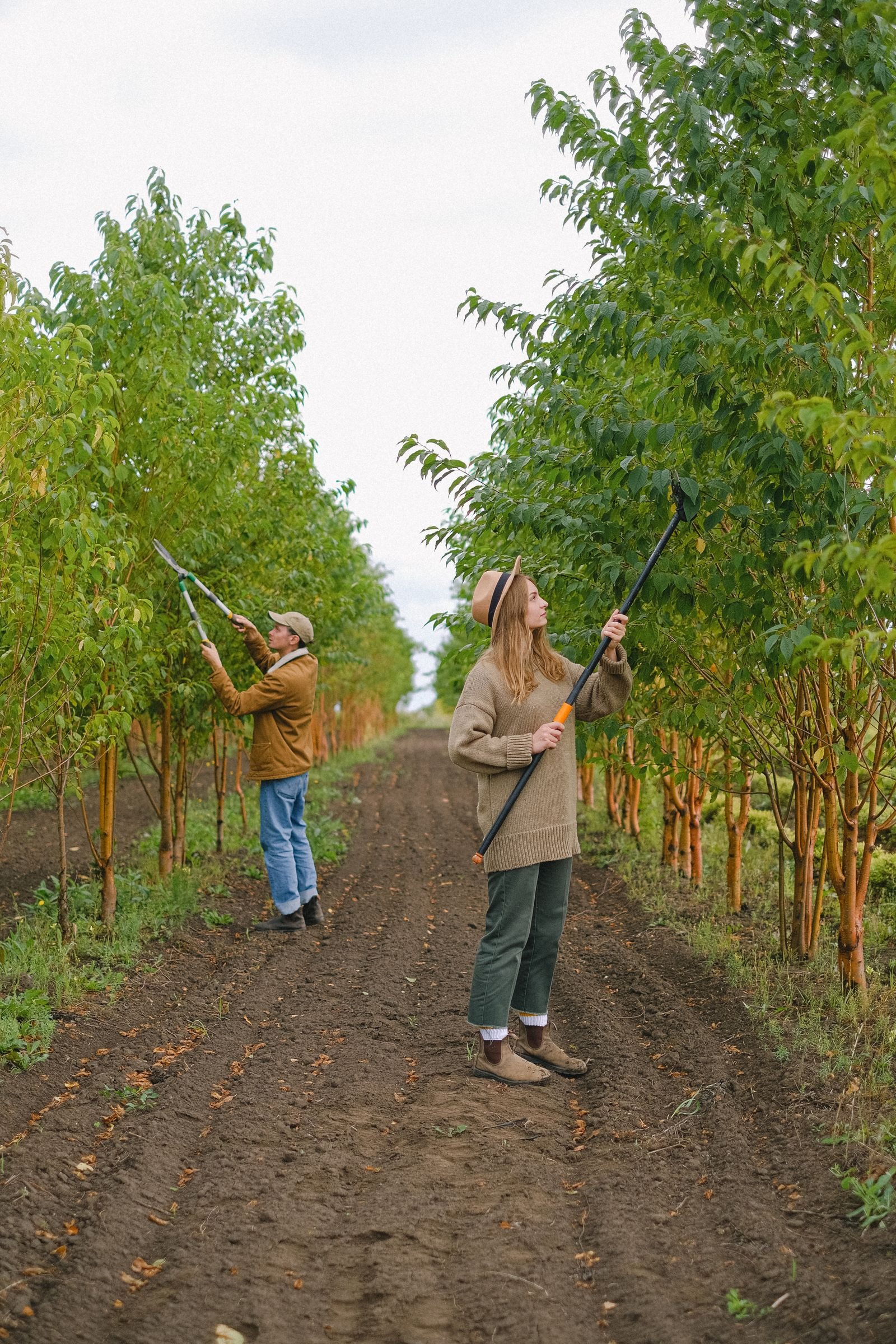
We get some version of this question constantly once the leaves start to turn: should I get my trees trimmed now, or wait until winter. The honest answer is that it depends on the tree, the goal, and what is actually going on with your property, which is why tree trimming and pruning in Syracuse NY is not something we approach with a single calendar rule. Both fall and winter have real advantages, and understanding which one fits your situation can save you money and give your trees a better shot at handling whatever this winter throws at them.
Why the Season You Choose Actually Matters
Trees respond to pruning cuts differently depending on how active they are at the time. In the growing season, a tree is putting energy into leaves, sap production, and wound closure, which means fresh cuts made in summer can bleed sap, attract insects, and take longer to seal over. Once a tree goes dormant in late fall and through winter, that activity slows way down. Cuts made during dormancy close more cleanly, the tree is not wasting energy trying to compartmentalize a wound while also growing, and there is a lower risk of attracting pests that are drawn to the smell of fresh cuts and sap during warmer months. That is the core reason arborists generally favor dormant season pruning for anything beyond light shaping.
The Case for Fall Trimming and Pruning
Fall is a good window for a specific kind of work. If a tree has dead, cracked, or clearly weak limbs that could come down under an early snow load, we do not wait for the ground to freeze to deal with them. Removing hazard limbs before winter storms arrive is one of the best things you can do to protect your roof, your car, and your power line clearance. Fall is also a smart time to thin out a canopy that got dense and heavy over summer, since a lighter canopy sheds wind and snow load better than a tree still carrying a full, leafy crown into the first storm. Homeowners around North Syracuse who had branches scraping siding or hanging low over walkways all summer usually want that handled before the holidays, not months from now, and that is a completely reasonable reason to book fall work.
The tradeoff with fall pruning is that the tree has not fully gone dormant yet in September and early October, so major structural cuts made too early can still trigger some of that sap response we mentioned. For urgent, safety related trimming, that tradeoff is worth it. For a full structural pruning pass meant to shape the tree for years to come, we usually recommend waiting a bit longer.
The Case for Winter Pruning
Once a tree drops its leaves and goes fully dormant, usually by late November or December in Central New York, winter becomes the best window for serious structural pruning. With no leaves in the way, we can actually see the tree’s full branch structure, which makes it much easier to identify crossing limbs, weak unions, and the correct cuts needed to improve the tree’s long term shape. Dormant pruning also means minimal sap loss, lower disease transmission risk, and less stress on the tree overall since it is not actively growing. Frozen ground is actually an advantage too. Heavy equipment and foot traffic around the base of the tree cause far less soil compaction and root damage when the ground is solid than when it is soft and wet in spring or fall.
Winter is also when we handle a lot of structural work on trees near power lines and rooflines, since the reduced canopy makes it easier to see clearance issues and safer to work close to the house. If you have larger shade trees that need real shaping rather than just a light trim, winter is usually our first recommendation.
A Few Timing Rules Worth Knowing
Not every species follows the same clock. Maples and birches are known as bleeders, meaning if you prune them in late winter or very early spring right before sap starts running, they can drip sap heavily from the cuts. It is not harmful to the tree, but it looks alarming and is easy to avoid by pruning them earlier in true winter dormancy or waiting until after the leaves are fully out. Oaks deserve special caution too. Pruning oaks during the growing season increases the risk of attracting the beetles that spread oak wilt, a disease that can kill a healthy oak within a season, so oak pruning is best kept to the dormant months entirely. If you are not sure what species you are dealing with or when it is safe to cut, that is exactly the kind of question our crew answers on site before we ever make the first cut.
Signs Your Trees Need Attention This Season
Most homeowners are not sure whether a tree just needs a light trim or something more serious, so we walk clients through the same handful of warning signs every fall. Branches that cross and rub against each other are worth addressing, since the constant friction wears through bark and creates an opening for decay and insects to get in. Limbs growing back toward the trunk or into the center of the canopy rather than outward are usually a sign the tree needs some structural correction before that growth pattern gets worse. If you notice a branch that has grown into contact with your roofline, siding, or gutters, that is not just a cosmetic issue, since constant rubbing during wind can wear through roofing material over time and give moisture a place to get in.
Watch for anything that looks like a weak union too, which is where two large limbs meet the trunk at a narrow, tight angle rather than a wide, strong one. Those unions are naturally more prone to splitting under snow load or wind, and they are exactly the kind of structural issue that is much easier to correct with early pruning than to deal with after a limb has already failed. If you spot bark that looks included or pinched at a major branch junction, mention it when you call, since that is often the clearest visual clue that a limb needs to come out before it becomes a hazard rather than an inconvenience.
What Fall and Winter Pruning Typically Cost
Pricing depends on tree size, the number of trees, and how much climbing or rigging the job requires. A single mid sized shade tree getting a standard trim usually falls in a modest range, while larger mature trees, especially ones near a house or power line that require careful rigging, cost more due to the extra time and precision involved. Winter jobs can sometimes be scheduled more flexibly since our crews are not competing with peak fall demand, and some property owners find winter pricing slightly more favorable for that reason. We always assess the actual trees on your property in North Syracuse or anywhere in our service area before quoting a number, rather than pricing blind.
Let Us Help You Pick the Right Window
Whether your trees need urgent hazard limb removal before the next storm or a full structural pruning while they are dormant, our tree trimming and pruning services cover both. We also handle full tree removal for anything beyond saving, and we serve properties throughout North Syracuse and the surrounding area. Call (315) 641-8222 and we will walk your property, tell you honestly whether fall or winter timing makes more sense for your trees, and get you on the schedule before the weather makes the decision for you.
Want it handled?
Our crews handle tree care, landscaping, drainage, and snow plowing across the Syracuse area. Get a free, no-obligation estimate.
Get a Free Estimate