
Ice Storm Tree Damage: Why Fast Response Matters
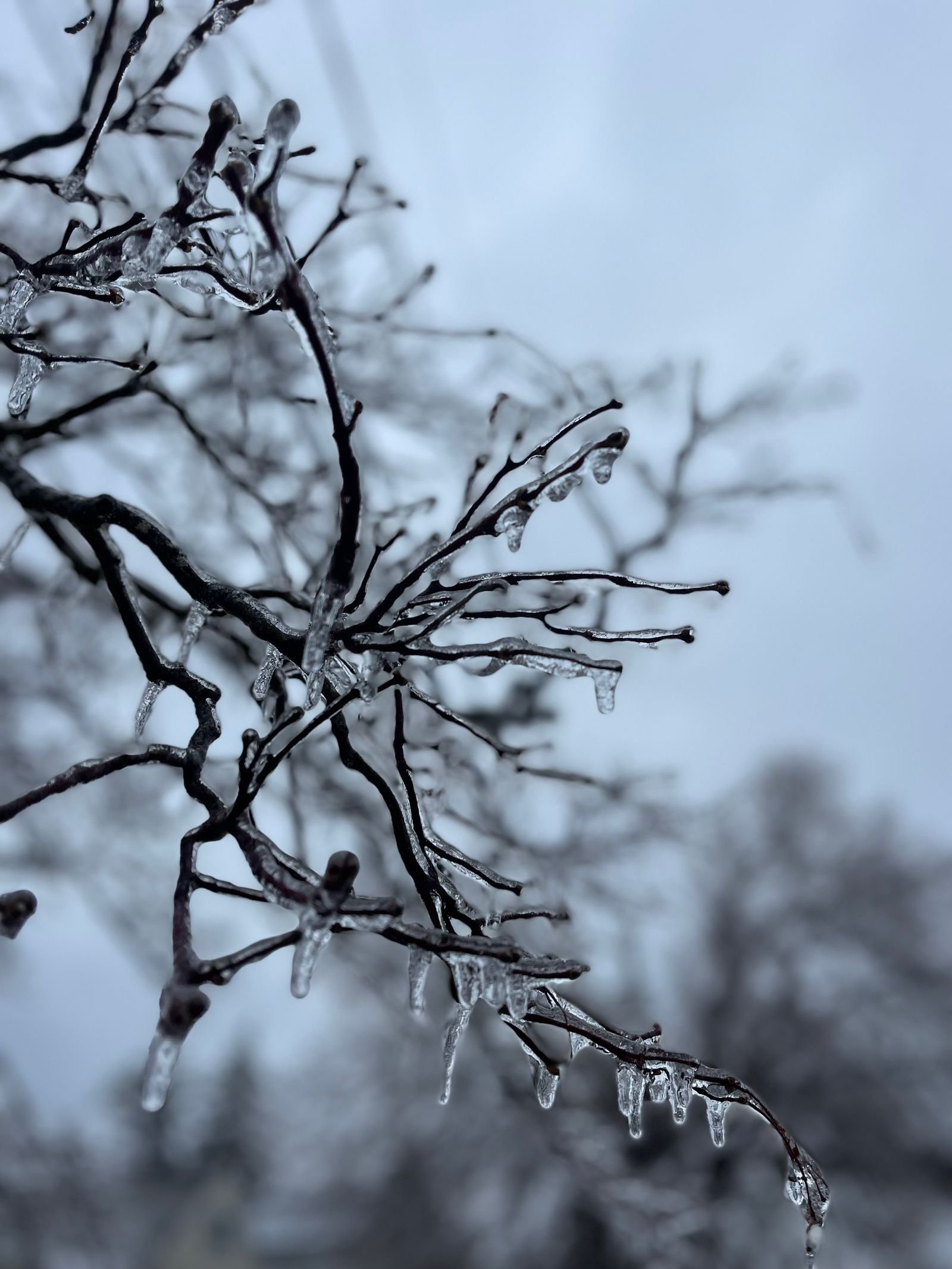
Of all the winter weather Central New York throws at trees, ice is the one that tends to catch people off guard the most. Ice storm tree damage in Syracuse NY does not always look dramatic while it is happening, a light coating of freezing rain can seem harmless compared to a big snowfall, but the aftermath is often far more destructive. We have pulled up to properties in Camillus and across the region the morning after an ice event to find limbs down everywhere, even though the storm itself barely registered as more than a nuisance the night before.
The reason fast response matters so much after an ice storm comes down to how the damage develops and how quickly conditions can get worse once a tree is already compromised.
Why Ice Is More Dangerous Than It Looks
A quarter inch of ice sounds minor, but that thin coating adds enormous weight once it covers an entire canopy. Unlike snow, which can be shaken or blown off in places, ice bonds directly to bark and branches and stays put until it melts. A mature tree can end up carrying hundreds of extra pounds distributed across its limbs, and that load does not come off until temperatures rise enough to melt it, which in a Central New York winter can take days.
The real danger is that ice damaged branches often do not fail immediately. A limb can crack internally during the storm and hang on for hours or even a day or two before finally giving way, sometimes with no warning and no additional wind needed. That delayed failure is exactly why a tree that looked fine right after a storm can drop a large limb on a car or a roof well after the weather has cleared.
What Fast Response Actually Prevents
Getting a professional out to assess ice damaged trees quickly serves two purposes. First, it identifies branches that are cracked or hanging but have not yet fallen, which are some of the most dangerous hazards on a property since they can drop without warning. Second, it gets debris and compromised limbs cleared before a second wave of freezing rain or wind adds even more stress to an already weakened tree, which happens more often than people expect during a multi day cold snap.
We prioritize calls involving trees near driveways, walkways, and structures first, since those are the spots where a delayed limb failure causes the most damage or risk to people. If a tree is leaning into power lines or has already partially fallen, that moves to the top of the list immediately, and we coordinate with the utility company when lines are involved rather than working near them directly.
Homeowners in Camillus who have called us after ice events often tell us they were not sure whether the damage was serious enough to warrant a call. Our general advice is that if you can see a visible crack, a split trunk, or a limb hanging by only a strip of bark, it is worth a call regardless of how small it looks, since ice damage is deceptive by nature.
We also hear from people who noticed a strange creaking or cracking sound coming from a tree during or after an ice event and were not sure what it meant. That sound is often wood fiber breaking under load, and it is one of the more reliable warning signs that a limb or trunk section is about to fail. If you hear it, treat the area beneath that tree as off limits until a professional can take a look, even if nothing looks visibly wrong from the ground.
Assessing a Tree After the Ice Melts
Once conditions are safe enough to get a proper look, our crews check for a few specific things. Split branch unions, where two limbs meet the trunk, are common failure points under ice load and often need to be removed even if they have not fully broken, since a partial split rarely heals and tends to fail again under the next load. Cracked bark running down the trunk can indicate deeper internal damage that will not be visible from a quick glance. Leaning trees, especially ones that were not leaning before the storm, may have a compromised root system on top of the crown damage.
Trees with moderate damage can sometimes be saved with corrective pruning through our trimming and pruning services, which removes the compromised sections while preserving the healthy structure of the tree. When the damage is too extensive or the tree has become a genuine hazard, full tree removal is the safer and often more practical option, especially for trees close to a home or a shared driveway.
Insurance and Documentation After Ice Damage
If ice storm damage affects your home, garage, or vehicles, documentation matters as much as getting the tree cleared. Photograph the tree and any structural damage from multiple angles before cleanup begins, since insurance adjusters generally want to see the original condition, not just the aftermath of removal work. Keep a copy of the invoice from any tree service work performed, since many policies cover storm related tree removal, especially when a tree has damaged a structure or is blocking a required access point like a driveway.
We are used to working alongside homeowners dealing with insurance claims and can provide written assessments describing the damage and the work performed, which often speeds up the claims process. It also helps to know that not all ice damage is immediately covered the same way, so checking your specific policy language before assuming full coverage is worth the extra ten minutes.
If a neighboring tree caused the damage rather than one on your own property, documentation becomes even more important, since liability questions can complicate the claims process. Taking clear photos immediately, noting the date and time, and getting a written assessment from a professional all help establish a clear record if the situation needs to be sorted out between property owners or insurance companies later.
Protecting Your Property Before the Next Ice Event
Central New York typically sees its first real ice risk arrive sometime between late fall and the heart of winter, often overlapping with the lake effect snow season off Lake Ontario. Trees that already have weak branch unions, dead wood, or overextended limbs are the ones most likely to fail badly when ice hits, so addressing those issues ahead of time through routine trimming is one of the most effective ways to limit damage later.
If you are in Camillus or anywhere nearby and want a professional opinion on how your trees would hold up under an ice load, our crews know the local tree cover well and can flag likely problem spots before a storm rather than after one. Visit our Camillus NY service page for more on the work we do throughout the area.
Do Not Wait Once Ice Damage Shows Up
If you are dealing with cracked limbs, a leaning tree, or storm debris after freezing rain, do not assume it can wait until spring. Delayed limb failure is a real risk, and getting ahead of it protects both your property and anyone who walks or parks nearby. Call RR Landscaping and Tree Services at (315) 641-8222 for a fast response, and we will get a crew out to assess and handle the damage safely.
Want it handled?
Our crews handle tree care, landscaping, drainage, and snow plowing across the Syracuse area. Get a free, no-obligation estimate.
Get a Free Estimate