
How Winter Storms Damage Trees in Central New York
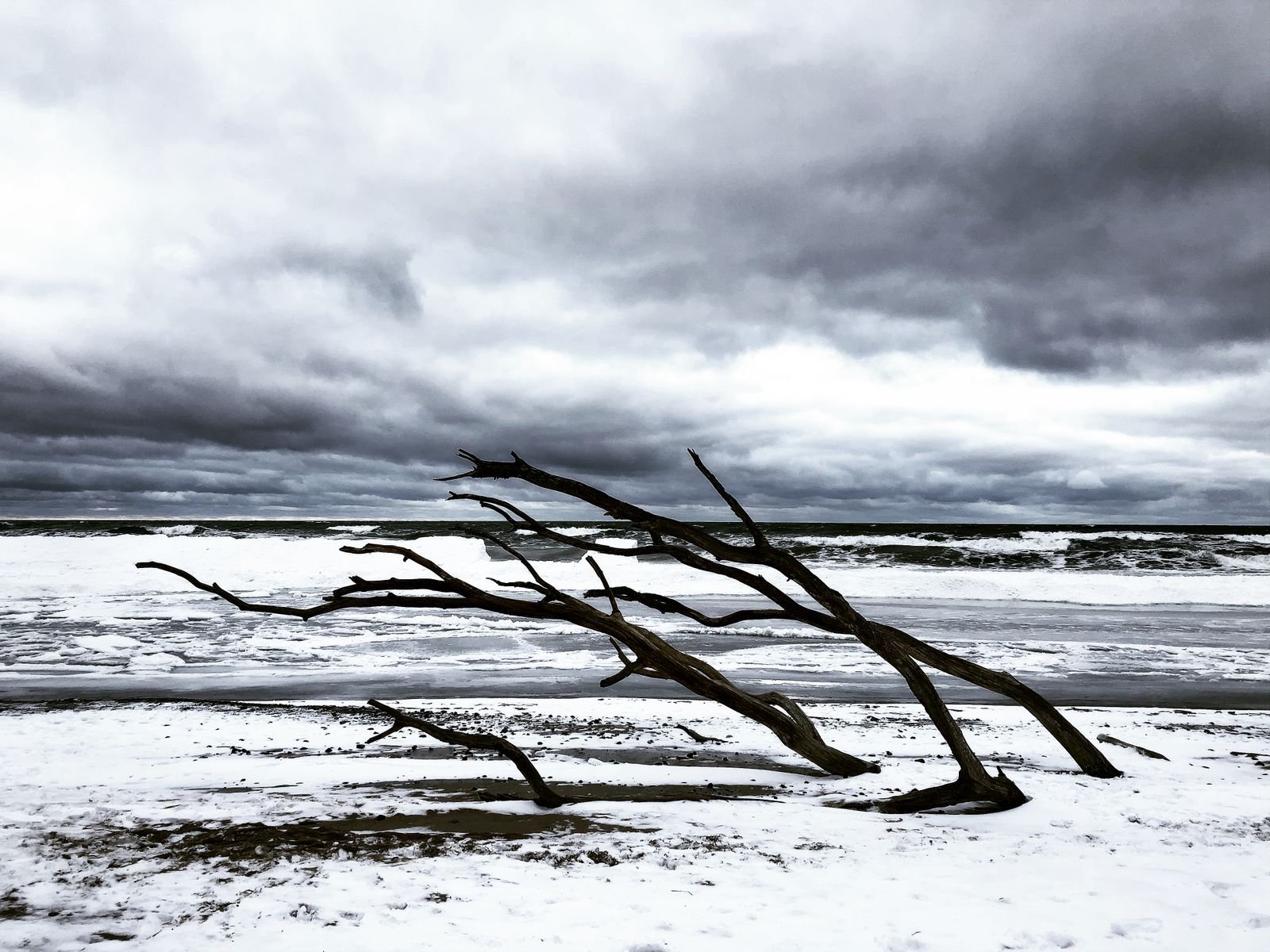
Anyone who has lived through a Syracuse winter knows the season does not do things halfway. Winter storm tree damage in Syracuse NY tends to come from a combination of factors hitting a tree at once rather than a single cause, and understanding how that damage actually happens is the best way to spot risk on your own property before a branch ends up on your roof or your car. Lake effect snow off Lake Ontario, sudden ice, and wind gusts working together on already weakened trees make Central New York one of the tougher regions in the country for tree survival through the cold months.
We spend a good part of every fall preparing trees for exactly this, and a good part of every winter responding to the damage that still gets through. Here is what is actually happening to a tree during a rough Central New York storm, and why some trees come through fine while others end up in pieces on the lawn.
Snow Load Is Heavier Than It Looks
A foot of dry powder snow is manageable for most healthy trees, but Central New York rarely gets simple dry powder for long. Lake effect systems coming off Lake Ontario often carry a mix of moisture that makes snow heavier per inch than storms further inland, and when that heavy snow lands on branches that still have leaves attached, which happens more often than people expect during early season storms in late October and November, the added surface area means the branch is holding far more weight than it was built for.
Evergreens like spruce and pine handle snow load reasonably well because their branches flex and shed snow, but hardwoods with broad, flat branch structures, especially maples and oaks, tend to hold snow in place and are much more prone to breakage. A branch that looks perfectly healthy in July can snap clean off in December simply because it was never under that kind of weight before.
Ice Adds a Different Kind of Stress
Ice is a separate problem from snow load, and in some ways a worse one. A quarter inch of ice coating a branch can add hundreds of pounds of weight across a mature tree, and unlike snow, ice does not shed easily once it forms. It also tends to arrive during freezing rain events that coat every surface uniformly, which means the whole canopy is loaded at once rather than just the parts catching falling snow.
Combine that ice load with even moderate wind and you get the kind of widespread limb failure that fills our schedule after a bad ice event. Ice storms are common enough in this region that our tree removal crews stay on call through the winter months specifically for this kind of damage, because ice turns an otherwise sturdy branch into a liability almost overnight.
Freeze Thaw Cycles Weaken Roots Over Time
The damage from a single storm is obvious, but Central New York winters also cause slower, less visible harm through repeated freeze thaw cycles. When ground temperatures swing above and below freezing multiple times through a season, which is common here given how our weather moves through warm spells and cold snaps, the soil expands and contracts around root systems. Over years, this can loosen a tree’s anchoring in the ground, especially for trees that already have compromised roots from construction damage, disease, or previous storm stress.
A tree that survived a windstorm just fine five years ago might not hold up the same way today if its root system has been quietly weakened by seasons of freeze and thaw. This is part of why we recommend a professional look at older or previously damaged trees before winter really sets in, since visible symptoms above ground do not always reflect what is happening below.
Which Trees Are Most at Risk
Certain species and certain conditions consistently show up in our storm response calls. Silver maples and Bradford pears, both common across yards in Syracuse and neighboring towns, have weak wood and branch unions that fail more easily under load compared to species like oak or hickory. Trees with existing decay, cracks, or previous storm damage are far more likely to fail during a new storm, since the weak point has already been established. Trees growing near power lines or with lopsided canopies from being trimmed away from structures also carry more risk, since the weight distribution is already uneven before snow or ice adds to it.
If you are unsure how your trees would hold up, a trim before the season starts can make a real difference. Our trimming and pruning services focus on removing weak or overextended limbs before they become a winter problem, which is far less costly than emergency removal after the fact.
Wind Is the Multiplier
Snow load and ice on their own cause plenty of damage, but wind is usually what turns a stressed tree into a broken one. A branch already carrying extra weight from snow or ice has far less flexibility to absorb a gust, and Central New York storms often bring wind alongside the precipitation rather than as a separate event days later. That combination is what tends to produce the widest scale damage, with limbs coming down across entire neighborhoods rather than isolated trees here and there.
Trees standing alone in an open yard, without the wind buffering that a group of trees provides, often take the worst of it. So do trees that have been recently exposed after a neighboring tree was removed, since the remaining tree may not have developed the trunk and root strength to handle wind loads it was previously shielded from.
What Happens When Damage Does Occur
When a storm does cause a tree to fail, the priority shifts to safety first. A cracked or partially fallen tree can still be under significant tension, and homeowners in Syracuse should never attempt to cut a storm damaged tree themselves. Our crews assess whether a tree can be saved with corrective pruning or whether the damage is severe enough to require full removal, and we handle both outcomes as part of our standard tree removal service when needed.
Central New York winters are not gentle, and pretending otherwise is how small problems become expensive ones. Understanding how snow, ice, and freeze thaw cycles actually stress a tree is the first step to protecting your property before the first major storm hits.
We also see a fair number of calls where the tree itself survived fine but a large limb landed on a fence, shed, or parked car, which is a good reminder that storm risk is not only about the tree failing outright. Even healthy trees drop limbs under extreme load, so clearing away anything valuable that sits directly beneath a large canopy, when that is practical, is a simple step that can prevent property damage regardless of how well prepared the tree itself is.
Get Ahead of Winter Storm Damage
If you have trees you are worried about heading into winter, or you already have damage from a recent storm, do not wait for the next system to make things worse. Call RR Landscaping and Tree Services at (315) 641-8222 for an assessment, and we will tell you honestly whether your trees need trimming, cabling, or removal before the snow really starts to fly.
Want it handled?
Our crews handle tree care, landscaping, drainage, and snow plowing across the Syracuse area. Get a free, no-obligation estimate.
Get a Free Estimate