
Fallen Tree on Your House: What to Do Next
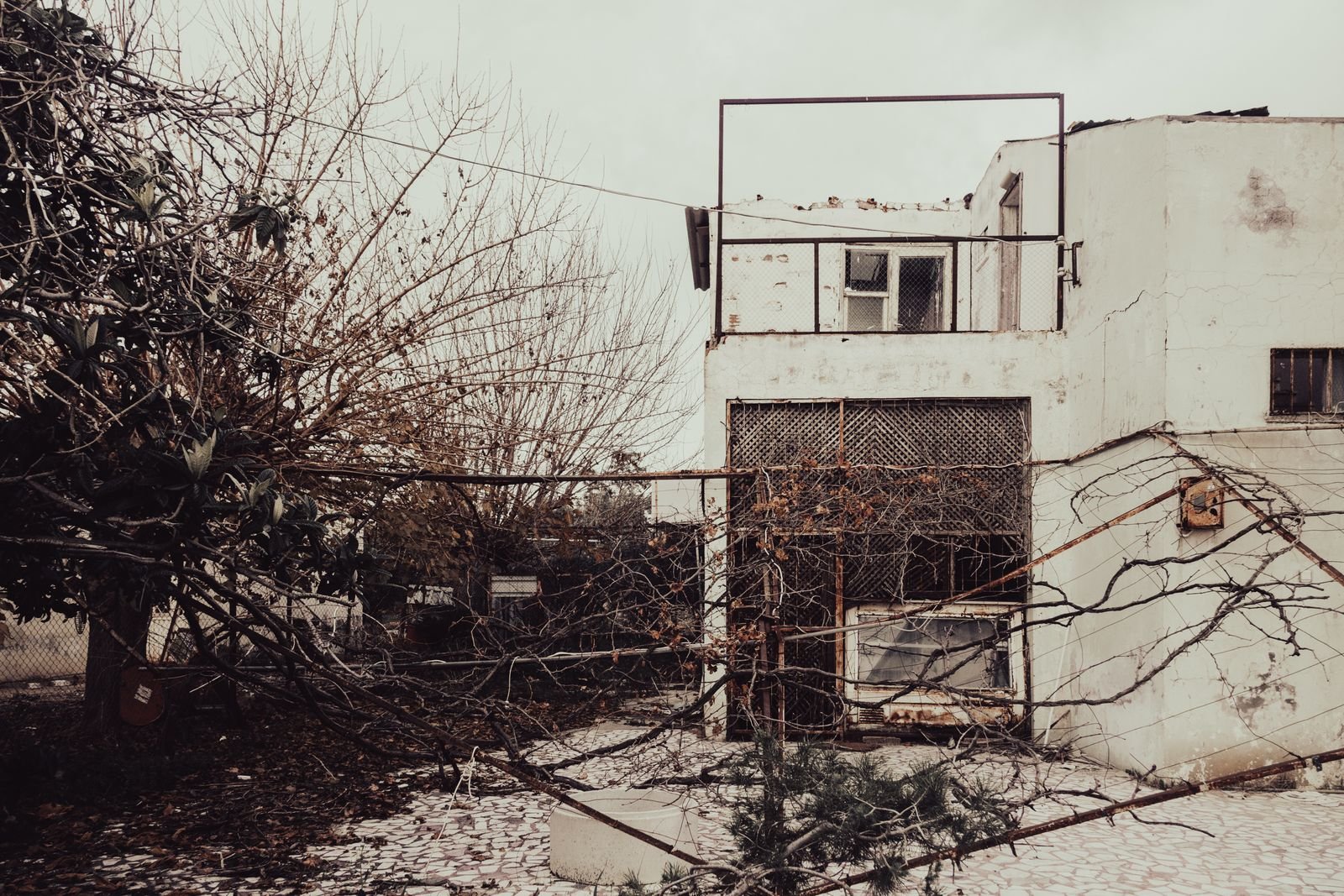
Few sounds are worse than a tree coming down on your own roof in the middle of the night. It is loud, it is sudden, and in the first few minutes afterward most people are not thinking clearly enough to know what to do next. If you are dealing with a fallen tree on your house in Syracuse NY right now, or you just want to know what to expect if it ever happens, here is what actually needs to happen in the right order, from the first few minutes through the tree coming off and repairs starting.
The First Few Minutes
Before anything else, make sure everyone in the household, including pets, is accounted for and physically safe. If anyone is injured or trapped, call 911 immediately rather than trying to handle the situation alone. Once people are safe, resist the urge to start moving debris or checking on the tree up close. Adrenaline makes it easy to underestimate how unstable a freshly fallen tree and a damaged roof structure really are in those first few minutes.
Get everyone out of the area under and near the tree, including any room directly below where it landed, and do not go back in until you know it is structurally safe. A tree resting on a roof can still be shifting or settling, and additional weight inside the house, even just people walking around, can occasionally worsen a partial collapse. If you smell gas or hear anything that sounds like arcing electricity, get further away and call the gas company or utility immediately rather than trying to investigate yourself.
Do not climb onto the roof to look at the damage, no matter how tempting it is to assess things yourself. A roof with a tree on it is unstable in ways that are not always obvious from a ladder, and this is exactly the kind of situation that leads to a second injury on top of the first piece of bad luck. If rain or snow is entering through a hole in the roof, and it is safe to do so from inside without climbing anywhere risky, a tarp over an accessible interior area or moving valuables away from the exposed spot can limit water damage until professionals arrive, but this is optional and should never involve going outside onto the roof itself.
What to Document Before Anything Moves
Insurance companies want to see the damage in its original state before cleanup starts, so if it is safe to do so, take photos and video from the ground and from inside the house, covering the tree, the point of impact, and any visible interior damage like water stains, cracked drywall, or a sagging ceiling. Wide shots that show the whole tree and its position relative to the house are just as useful as close ups of the damage itself. Note the date and time if your phone does not already timestamp photos automatically.
Call your homeowners insurance company as soon as you reasonably can, since most policies do cover tree damage to a structure, though coverage details vary depending on your specific policy and whether the tree fell due to storm conditions versus other causes like disease or neglect. The adjuster will often want the tree removal itemized separately from the roof and structural repair, so keep any estimate or invoice from the tree service as a distinct line item rather than bundled into one number.
One detail that surprises a lot of homeowners is how coverage can depend on where the tree came from. If your own tree fell on your own house, most standard homeowners policies still cover the resulting damage, treating it as a covered loss similar to wind damage generally. If a neighbor’s tree fell on your house, your own policy is still typically the one that pays for your repairs, since most insurers treat this as a normal homeowners claim regardless of whose yard the tree started in, though your insurer may separately pursue reimbursement from the neighbor’s policy if negligence played a role, such as a tree the neighbor knew was dead and never addressed.
When the Damage Extends Beyond the Roof
A tree rarely limits itself to a single point of impact. Even when the trunk lands squarely on the roofline, branches spread out and can hit gutters, siding, windows, a deck, or a vehicle parked in the driveway at the same time. It is worth walking the perimeter of the house from a safe distance, without going under any part of the tree, to get a full picture of what was affected before repairs start. Gutters bent by a glancing branch, cracked siding near where a limb brushed the wall, and a chimney cap knocked loose by a falling branch are all common secondary damage that gets missed if attention stays fixed only on the main point of impact.
If a vehicle was under or near the tree, it needs its own insurance claim, typically through the comprehensive portion of an auto policy rather than homeowners coverage. Photograph vehicle damage the same way you would photograph the house, and do not attempt to move a car that has debris resting on it until the tree crew has confirmed it is safe to do so.
How We Assess and Remove a Tree That Has Fallen on a Structure
Removing a tree off a house is a different job from a standard removal, and it needs to be handled carefully because the tree itself may be helping hold up a damaged section of roof or wall, at least partially. Our crew starts by evaluating how the tree is resting on the structure and whether removing weight in the wrong order could cause further collapse. In some cases we cut and remove the canopy first to reduce weight gradually, working down toward the trunk, rather than trying to lift or pull the whole tree off in one motion.
Ropes and rigging keep each section under control as it comes free, so nothing drops suddenly onto a weakened roof section or shifts unexpectedly. Once the bulk of the tree is off, we clear the remaining debris and, when needed, can place a temporary tarp over an exposed section as a courtesy, understanding that a roofing contractor will handle the actual repair. Throughout the job we stay in communication with homeowners about what we are seeing, since sometimes the extent of structural involvement only becomes clear once branches are cleared away and the actual point of contact with the roof is visible.
What Happens After the Tree Is Off
Once the tree is removed, you are left with two separate jobs: the tree work, which typically wraps up with hauling debris and possibly grinding the stump if the tree came from the ground near the foundation, and the structural repair, which is a job for a licensed roofing or general contractor. We are glad to recommend contractors we have worked with before if you need a starting point, though the final choice and any repair contract is always yours to make.
It is worth noting that a fallen tree often reveals a second problem when the debris comes off, since roofs, gutters, and siding underneath frequently show damage from smaller branches or ongoing contact with the tree even before the failure itself. A thorough contractor will check well beyond the obvious point of impact.
If a tree has come down on your home anywhere in Fayetteville or the greater Syracuse area, do not wait and do not attempt to move it yourself. Our crew handles emergency tree removal off structures with the care that situation requires, and we can usually respond quickly once you reach out through our contact page or by phone. Call (315) 641-8222 right away and we will walk you through exactly what happens next.
Want it handled?
Our crews handle tree care, landscaping, drainage, and snow plowing across the Syracuse area. Get a free, no-obligation estimate.
Get a Free Estimate