
Stump Grinding: How the Process Actually Works
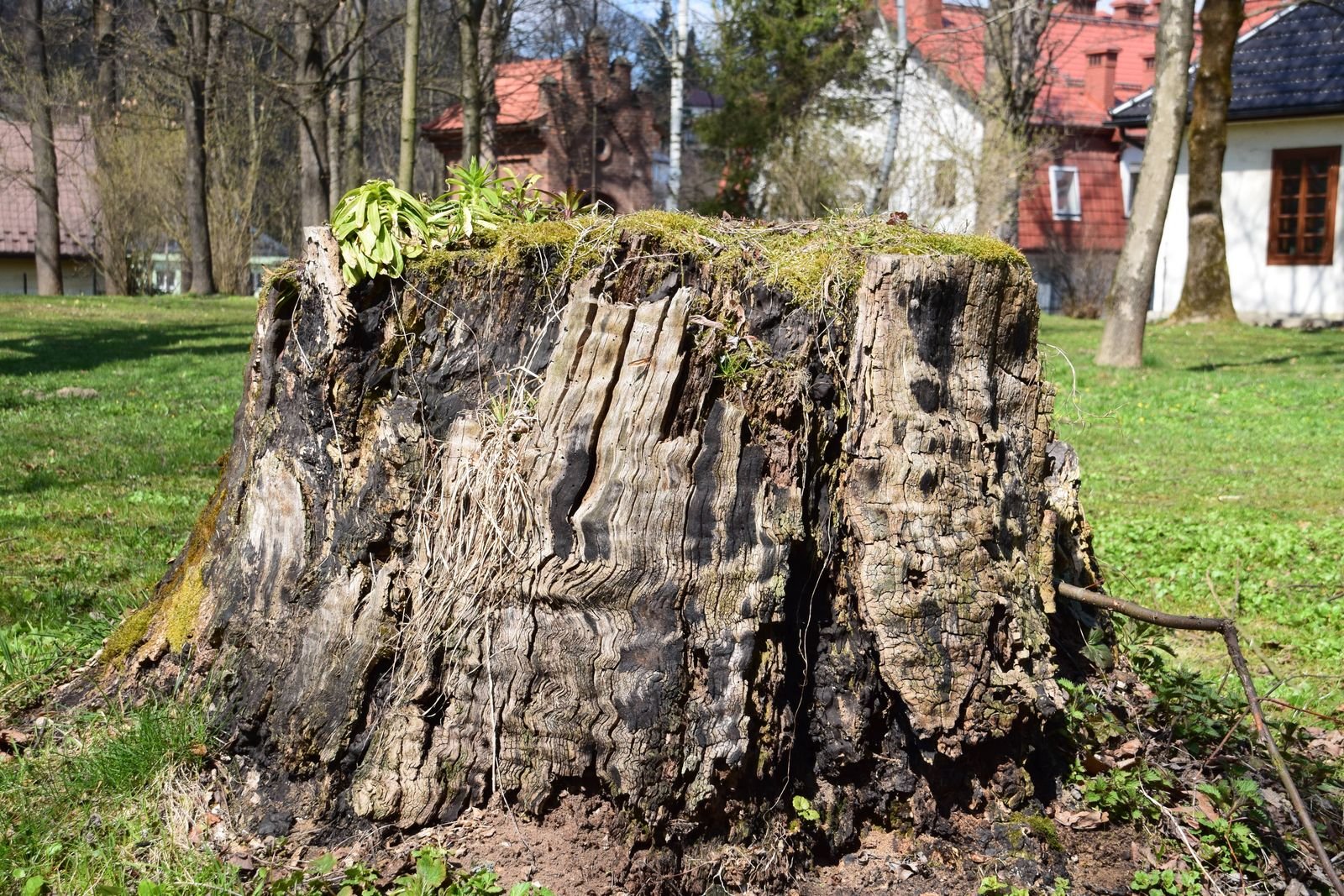
Once a tree comes down, the stump left behind is more than just an eyesore. It can be a tripping hazard, it gets in the way of mowing, and it can even send up new sprouts if left alone long enough. Understanding the stump grinding process Syracuse NY property owners go through helps set the right expectations, since it looks like a fairly simple job from the outside but actually involves several steps done in a specific order for safety and a clean result.
Step One: Assessment and Utility Checks
Before any grinding starts, our crew walks the site to look at the stump itself, its diameter, the condition of the wood, and what is around it, fences, sprinkler lines, walkways, and any exposed roots that might affect the approach. Because stump grinders work below the surface of the soil, we always confirm the location of underground utilities before starting. This is a step that should never be skipped, since hitting a buried line is dangerous and expensive to repair, and a reputable company will always account for it as part of the job, not as an upcharge.
Step Two: The Actual Grinding
The equipment itself is a machine with a spinning cutting wheel lined with carbide teeth that chews through wood a small amount at a time. The operator moves the wheel back and forth across the stump, working it down below the surrounding grade, typically somewhere in the range of six to twelve inches below ground level depending on the situation and what you plan to do with the area afterward. For a stump you want to plant grass over, going deeper helps prevent the old stump from interfering with roots or mower blades later. For a spot where you plan to build a garden bed or patio, we can adjust the depth to fit those plans.
Larger stumps, especially from mature hardwoods with wide root flares, take longer to grind through because there is simply more wood mass and often larger surface roots extending out from the base that need to be addressed as well. A small stump from an ornamental tree might take well under an hour, while a large stump from a mature oak or maple can take considerably longer, sometimes requiring the crew to work around the stump from multiple angles to fully break it down.
What Happens to the Wood Chips and the Hole
Grinding produces a substantial pile of wood chips and shredded material, which is actually useful rather than just waste. Standard practice is to use a portion of that material to backfill the hole left behind, mixed with the loose soil, which helps the area settle naturally over the following weeks. Depending on what you would like, we can haul away the remaining chips completely, leave them for you to use as mulch elsewhere on the property, or blend in topsoil and grass seed to help the spot recover faster. It is worth knowing upfront that grinding removes the visible stump and the roots near the surface, but it does not pull out the entire root system underground. Those deeper roots are left to decompose naturally over the following seasons, which is standard practice and generally does not cause problems for typical landscaping or lawn use.
Why Timing and Ground Conditions Matter Here
Ground conditions affect how smoothly a grinding job goes. Frozen ground in the depths of a Central New York winter makes grinding much harder and less effective, which is part of why fall and the shoulder seasons tend to be popular times for this work, alongside spring once the ground has thawed and dried out enough for equipment to move around without tearing up the lawn. Saturated soil after heavy spring rain can also make it tougher to get a clean result and can leave ruts from equipment, so we keep an eye on conditions before scheduling.
We regularly handle stump grinding for homeowners around Baldwinsville and out toward North Syracuse, often as a follow up to a tree removal from earlier in the season, though we also grind old stumps that have been sitting for years with no issue. Combining tree removal and stump grinding into a single visit is common and often more efficient than scheduling them separately, since the equipment and crew are already on site.
Common Questions Homeowners Ask
One question we hear often is whether a ground stump can send up new sprouts. In most cases, grinding removes enough of the stump and root crown that regrowth stops, though some especially vigorous species can occasionally push up small shoots from surface roots for a season or two before giving up entirely. If that happens, it is usually a quick fix rather than a sign the grinding did not work. Another common question is how soon you can plant grass seed or lay new sod over the ground area. Once the hole is backfilled and settled, which typically takes a few weeks depending on weather and how much material was used, the spot is generally ready for grass seed, though we recommend waiting for the fill to settle fully before adding sod so it does not sink unevenly later.
We also get asked about chemical stump removal as an alternative, where a product is applied to speed up natural decay over several months or longer. That approach works, but it takes far longer than grinding and still leaves a rotting stump sitting in the yard in the meantime, which most homeowners find more of a hassle than the wait is worth. For most residential situations, grinding remains the faster and more practical choice.
Multiple Stumps and Larger Properties
If you have several stumps scattered around a property, whether from a single storm that took down multiple trees or from years of accumulated tree work, it is almost always more efficient to handle them all in one visit. The equipment and crew are already on site, and moving between stumps on the same property takes far less time than scheduling separate trips. This comes up often for larger lots around Baldwinsville and the surrounding towns, where a mix of old stumps from past storm damage or removals sit unaddressed for years simply because nobody got around to scheduling the work.
Safety Considerations Worth Knowing
Stump grinding kicks up wood chips and debris quickly, and the machines involved are powerful enough that keeping a clear work area matters. Our crew sets up a safe perimeter before starting and asks that pets and children stay well back from the work zone until the machine is shut down. If your property has a septic system, well, or irrigation lines near the stump, let us know ahead of time so we can plan around them, since these systems are not always mapped clearly and a quick conversation upfront avoids problems later. We carry the right protective equipment and follow standard safety practices on every job, but a little coordination with the homeowner beforehand makes the whole visit go more smoothly for everyone.
Getting Your Stump Ground Down Right
If you have a stump sitting in your yard, whether it is from a tree we removed or one that came down years ago, grinding is usually the fastest and most affordable way to reclaim that part of your property. Call RR Landscaping and Tree Services at (315) 999-5615 and we will take a look, explain what the job will involve for your specific stump, and get it scheduled around ground conditions and your plans for the space afterward.
Want it handled?
Our crews handle tree care, landscaping, drainage, and snow plowing across the Syracuse area. Get a free, no-obligation estimate.
Get a Free Estimate