Hazardous Tree Removal: Spotting the Warning Signs
Not every large or old tree is dangerous, but hazardous tree removal Syracuse NY situations share a common thread, a structural weakness combined with a target nearby, whether that target is your house, your driveway, or a spot where people regularly walk or park. A perfectly healthy oak standing alone in an open field with nothing around it carries very little practical risk even if it eventually fails. That same tree leaning toward a bedroom window is a completely different story. Learning to recognize the warning signs helps you catch a problem while there is still time to act, rather than after a storm forces the issue.
Visual Signs You Can Spot From the Ground
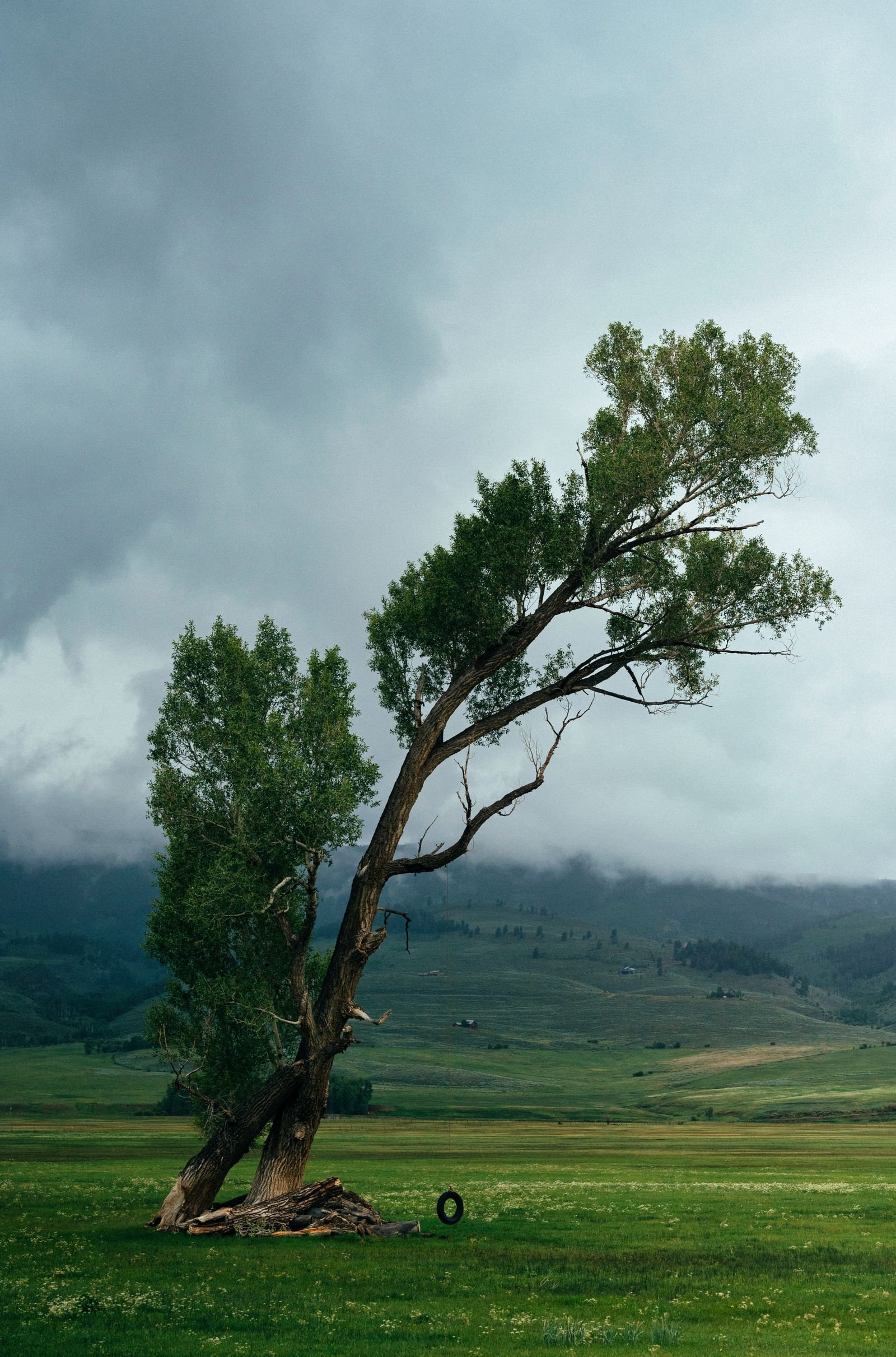
A trunk lean that has developed recently, especially one paired with soil cracking or lifting on the opposite side of the base, is one of the clearest signals that the root system is struggling to hold the tree upright. This is different from a tree that has always grown at a slight angle, which is often just a normal growth pattern. What matters is a new or worsening lean.
Cracks or splits running along the trunk or into a major limb union are another serious sign, since they indicate the wood fibers holding that section together are already failing. Large dead branches scattered through the canopy, sometimes called deadwood, are common in mature trees and are not always an emergency, but a heavy concentration of dead limbs, or one very large dead limb positioned over a driveway or roof, deserves prompt attention. Mushrooms or shelf like fungal growth, often called conks, growing on the trunk or near the base are a strong indicator of internal decay, since these fungi are typically feeding on rotting wood inside the tree that you cannot see from the outside.
Problems Happening Below the Surface
Some of the most dangerous hazards are the ones you cannot see just by looking at the canopy. Root damage from nearby construction, trenching for utilities, or years of soil compaction from vehicles or heavy equipment can quietly weaken a tree’s anchoring system long before any visible symptoms show up above ground. Heaving or cracked soil around the base, especially after a windy day, is a sign the root plate is starting to lift and lose its grip.
Freeze thaw cycles, so common through a Central New York winter, add another layer of stress to root systems and can accelerate decay in wood that already has a crack or wound. Saturated soil from spring thaw or heavy rain also reduces how well roots can hold a tree steady, which is part of why we see more tree failures during and right after major weather events than at almost any other time of year.
When a Hazard Crosses Into an Emergency
Some hazardous trees can be monitored and scheduled for removal in the near future, while others need attention immediately. A tree with an active, worsening lean, a large crack that has clearly opened up or grown since you last checked it, or any hazardous tree situated over a structure, driveway, or area where people regularly gather should be treated as urgent. If you are ever unsure whether your situation counts as an emergency, our tree removal team would rather you call and ask than wait and find out the hard way.
How We Evaluate and Handle Hazardous Trees
When we assess a hazardous tree, we look at the whole picture, trunk condition, root health, canopy structure, lean history if we can determine it, and what is within striking distance if the tree or a major limb comes down. Removal of a hazardous tree is often more involved than a standard removal because the compromised structure can behave unpredictably during cutting, so we plan the approach carefully, sometimes using rigging to lower sections in a controlled way rather than felling the tree as a single piece.
Homeowners in De Witt and nearby Fayetteville often reach out after noticing a lean or a crack that has been there for a while but seems to be getting worse. That instinct is usually right. Trees rarely become more stable over time once real structural damage has set in, so getting ahead of it protects both your property and our crew during the eventual removal.
Species That Tend to Cause the Most Trouble Locally
Certain trees show up again and again when we get called out for a hazardous tree assessment in Central New York. Silver maples grow fast and often develop weak, included bark unions where two large limbs meet at a narrow angle, and those joints are prone to splitting apart under the weight of wet snow or ice. Ash trees are a growing concern across the whole region because of the emerald ash borer, an invasive insect that has killed off large numbers of ash trees over the past decade. A dead ash becomes brittle quickly and can drop large limbs or fail entirely with very little warning, which is why we treat any dead or visibly declining ash as a priority.
Bradford pear and other ornamental pears are popular for their spring flowers but are notorious for weak branch structure, with multiple trunks originating from nearly the same point low on the tree. That structure is prone to splitting apart under snow or wind loads once the tree matures, sometimes taking the whole canopy down at once rather than losing a single limb. Knowing which species on your property carry extra risk helps prioritize which trees deserve a closer look first.
Why a Professional Assessment Beats Guessing
It is tempting to look at a tree from the ground, decide it looks fine, and move on with your day. The problem is that a lot of the most serious hazards, internal decay, root damage, or a crack that only shows on one side of the trunk, are easy to miss without training and the right tools. We look for subtler clues too, things like a slightly hollow sound when we tap the trunk, soil that looks recently disturbed near the base, or a canopy that has started thinning unevenly on one side, all of which can point to a problem before it becomes obvious to an untrained eye. An honest assessment also works in your favor when a tree turns out to be perfectly fine, since we would rather tell you a tree just needs routine trimming than talk you into an unnecessary removal.
Protecting What Matters Most on Your Property
The whole point of catching a hazardous tree early is protecting the people and property nearby, not just the tree itself. A homeowner who notices a worsening lean toward a bedroom window or a garage is dealing with a very different level of urgency than someone whose hazardous tree sits well away from anything it could damage. Take stock of what is actually within reach if the tree or a major limb comes down, the roof, a parked car, a fence line shared with a neighbor, or a spot where kids regularly play, and let that guide how quickly you act. When in doubt, treat it as more urgent rather than less, since the cost of a professional assessment is small compared to the cost of storm damage or an injury.
Do Not Wait to Have a Hazardous Tree Checked
If you have noticed a new lean, a crack, fungal growth at the base, or heaving soil around a tree on your property, do not assume it will hold until you get around to dealing with it. These signs tend to get worse, not better, especially once winter weather starts adding weight and stress to an already compromised tree. Call RR Landscaping and Tree Services at (315) 999-5615 for a professional assessment. We will give you a straight answer about the risk level and what needs to happen next, so you can make an informed decision instead of guessing.
Want it handled?
Our crews handle tree care, landscaping, drainage, and snow plowing across the Syracuse area. Get a free, no-obligation estimate.
Get a Free Estimate