
Tree Trimming Before Winter: Timing Guide
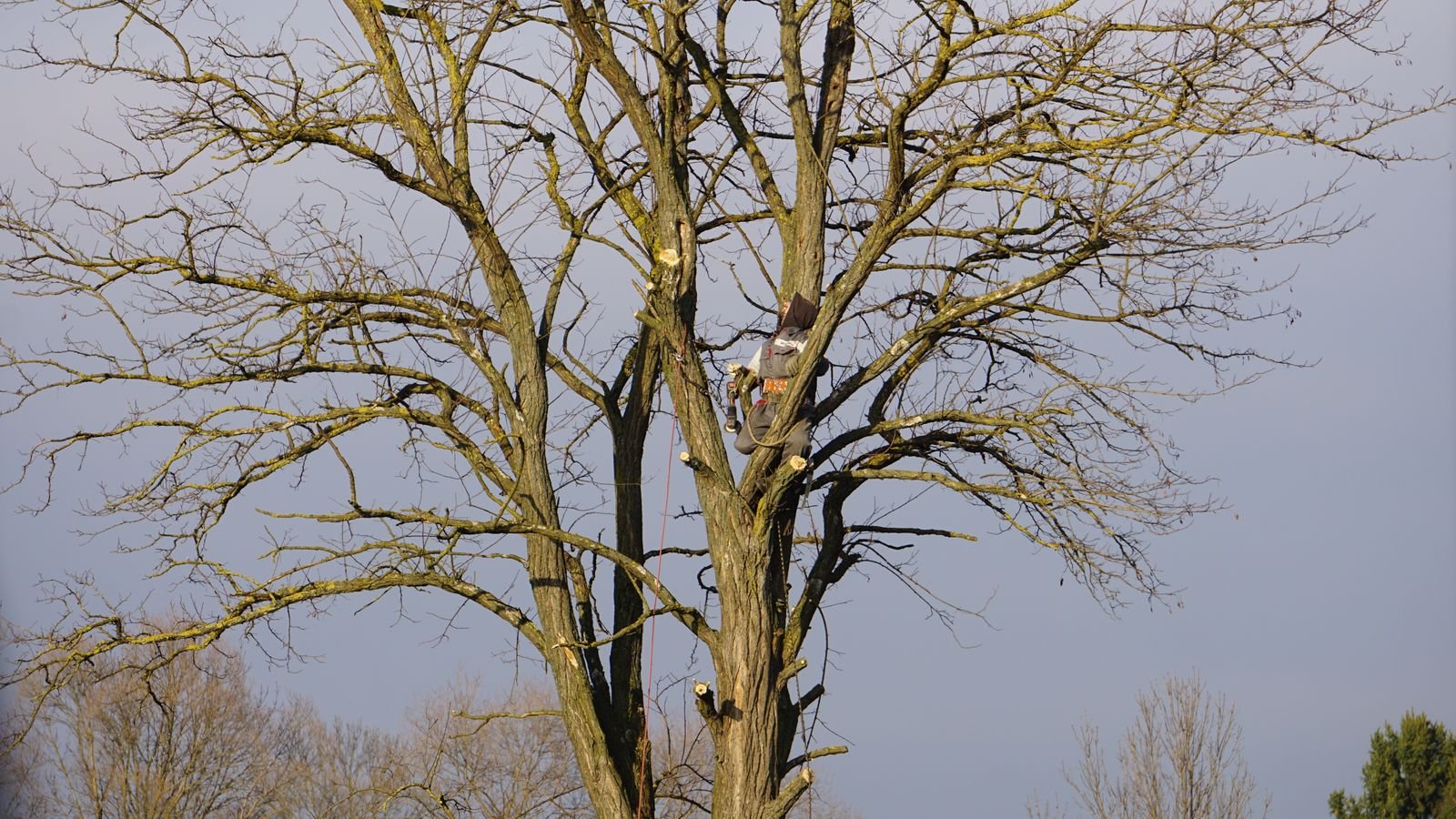
A lot of homeowners think of tree trimming before winter Syracuse NY as an optional chore, something to get to if there is time before the snow flies. In reality, timing your pruning correctly is one of the most useful things you can do to protect your trees and your property through a Central New York winter. Cutting at the right point in the season reduces stress on the tree, lowers the risk of storm damage, and sets your trees up for healthier growth once spring arrives.
The Best Window: Late Fall Through Early Winter
Once most trees have dropped their leaves but before the ground freezes solid and the heavy snow starts piling up, you are in the sweet spot for pruning. With the leaves gone, our crew can actually see the full branch structure, which makes it far easier to spot crossing limbs, weak unions, and dead wood that needs to come out. This dormant period also means the tree is not actively pushing energy into leaf and fruit production, so it handles the stress of pruning cuts with less disruption than it would during peak growing season in the spring or summer.
There is a practical safety reason for this timing too. Trimming back weak or overextended limbs before winter storms arrive removes the exact material that tends to snap under snow and ice load. A limb that might have held on through a light summer storm can fail completely once it is coated in wet, heavy snow or a layer of ice, and by then the damage is already done. Getting ahead of that with proactive trimming in late fall is far cheaper and safer than dealing with an emergency after the fact.
What Happens If You Wait Too Long
Once the ground freezes hard and snow accumulates, working conditions get tougher and riskier for everyone involved, including the crew doing the climbing. Deep snow makes it harder to see hazards on the ground, footing gets unpredictable, and access for equipment becomes limited on properties that are not plowed regularly. Beyond the practical challenges, waiting too long means your trees go into the season carrying weak limbs, crossing branches, and dead wood that a January ice storm or a heavy lake effect snow event can turn into a real problem, sometimes overnight.
We see this play out every winter around Manlius and the surrounding towns. A tree that looked fine in October, with a large dead limb nobody got around to removing, ends up dropping that limb on a fence, a car, or a roof during the first big storm of the season. Trimming ahead of time is one of the simplest ways to avoid that entirely.
What Our Crew Looks For During a Pre Winter Trim
When we come out for seasonal trimming, we are looking for more than just overgrown branches. Dead or dying limbs get priority since they carry no flexibility and tend to snap first under load. We also look at crossing or rubbing branches, which create wounds in the bark that can invite disease and rot over time, and codominant stems, where two main leaders compete for the same space and create a structurally weak point that is prone to splitting under heavy snow.
Canopy density matters as well. A tree with a very thick canopy can act almost like a net that catches and holds snow, adding far more weight than a properly thinned canopy would ever hold. Selective thinning lets snow and wind pass through more easily rather than accumulating and putting stress on the whole structure. Our trimming and pruning services are built around these priorities, focused on the health and structural safety of the tree, not just how it looks.
Trees That Need Extra Attention Before Winter
Certain trees deserve a closer look heading into the cold months. Young trees with narrow branch angles are more prone to splitting under snow load until they mature and develop stronger wood at those unions. Trees near driveways, walkways, power lines, or the house itself carry higher stakes if a limb does fail, so we prioritize those for proactive trimming even when the risk looks moderate. And any tree that already shows signs of stress, thinning foliage, fungal growth at the base, or a lean that has developed over the past year or two, should be evaluated by a professional rather than left alone until spring. If a tree is beyond saving, it is often better to handle full tree removal before winter rather than risk it coming down on its own terms during a storm.
Species That Benefit Most From Pre Winter Attention
Not every tree needs the same level of attention heading into the cold months. Silver maples and other fast growing species tend to develop weaker wood and are more prone to limb failure under heavy snow load compared to slower growing hardwoods like oak. Ash trees across Central New York carry their own added risk right now because of the emerald ash borer, an invasive pest that has killed a large number of ash trees in the region over the past several years. A dead or dying ash is far more brittle than a healthy tree and should be inspected before winter even if it does not look obviously hazardous yet.
Evergreens like spruce and pine hold onto their needles year round, which means they catch and hold snow differently than deciduous trees that have already dropped their leaves. A large evergreen with dense, uncorrected growth can carry a surprising amount of snow weight on its outer branches, and thinning that growth before winter reduces the load it has to bear during a heavy lake effect event.
How Winter Trimming Connects to the Rest of Your Property
Pre winter tree care rarely happens in isolation. Many of the same homeowners scheduling trimming are also thinking about how the property will handle snow removal once winter arrives, and overgrown branches hanging low over a driveway or walkway can actually get in the way of plowing and shoveling once the snow piles up. If you already work with us for snow plowing, getting trimming done at the same time of year means the whole property is ready for winter at once instead of handling each task separately and hoping nothing falls through the cracks.
What to Expect When Our Crew Trims Your Trees
A typical pre winter trim starts with our crew walking the property and pointing out exactly what they plan to cut and why before any tools come out. For smaller trees, most of the work can be done from the ground with pole pruners and hand saws. Larger trees usually require climbing gear or a bucket truck depending on access and the size of the canopy. We always clean up as we go, running cut brush through the chipper and raking or blowing the yard clear before we leave, so you are not left with a pile of debris to deal with afterward.
How much a tree needs trimmed varies quite a bit from year to year, and from tree to tree. A young, healthy tree that was trimmed properly last season might only need a light touch up, while a tree that has gone several years without attention can require more substantial work to catch it back up to a healthy structure. Either way, the goal is always the same, remove what is weak or excessive now so the tree carries less risk once the snow starts falling.
Schedule Your Pre Winter Trim Before the Season Fills Up
Fall is a busy season for tree crews across Central New York, and appointment slots for pre winter trimming fill up fast once the first frost hits. Homeowners in Manlius, East Syracuse, and throughout the greater Syracuse area who wait until the first snow is already on the ground often find themselves waiting weeks for a crew, right when they need the work done most. Call RR Landscaping and Tree Services at (315) 999-5615 now to get your trees inspected and trimmed while the weather still cooperates, and head into winter with confidence that your property is ready for whatever the season brings.
Want it handled?
Our crews handle tree care, landscaping, drainage, and snow plowing across the Syracuse area. Get a free, no-obligation estimate.
Get a Free Estimate