
Tree Trimming 101: Why Regular Pruning Matters
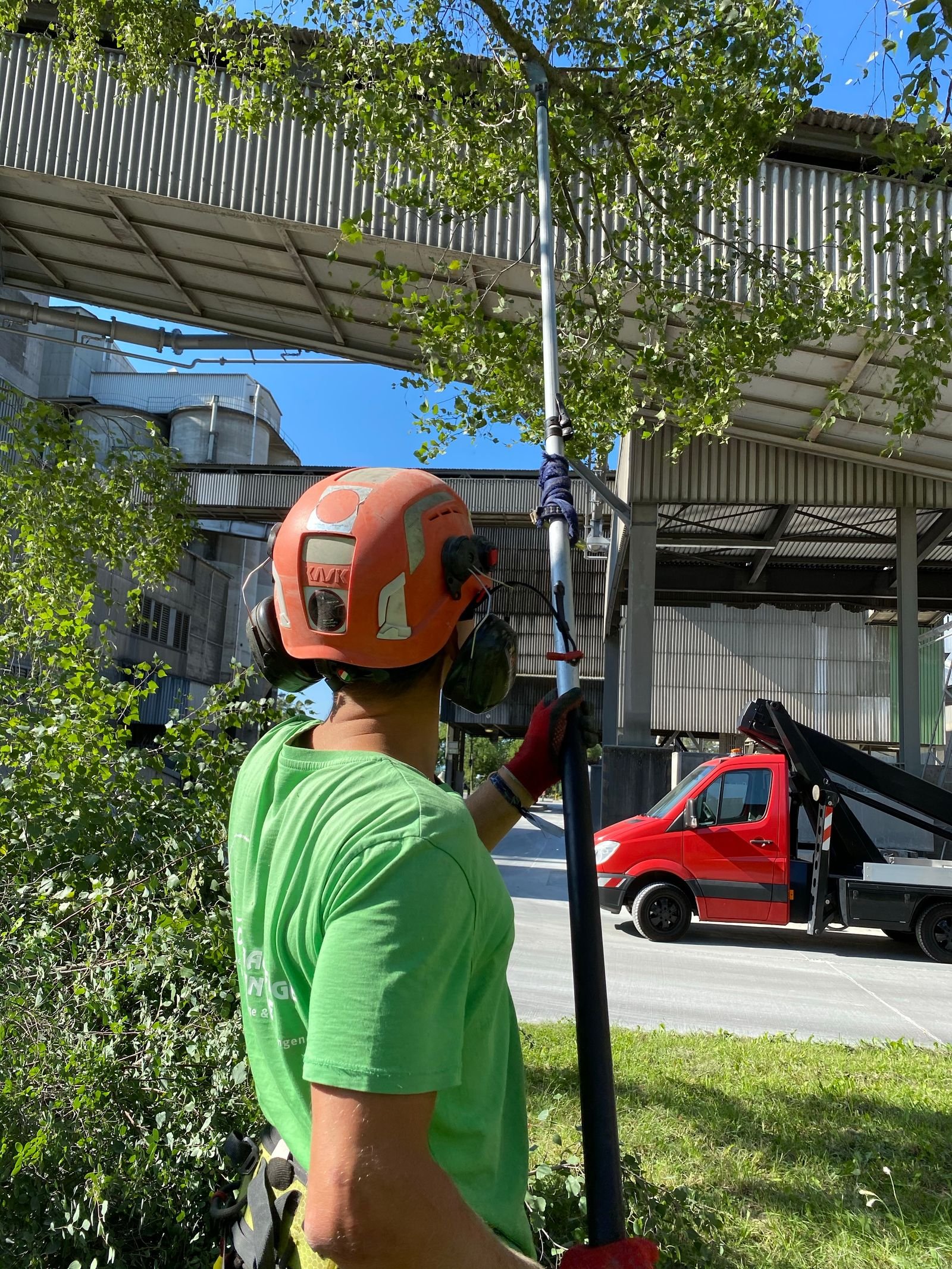
Trimming gets treated as an afterthought by a lot of homeowners, something to think about only when a branch is scraping the roof or blocking the driveway. That is a mistake. Regular tree trimming Syracuse NY yards benefit from is one of the cheapest forms of insurance you can buy for your property, and it does far more than keep things tidy. Done right and on a reasonable schedule, pruning extends a tree’s life, reduces the odds of storm damage, and can even head off problems that would otherwise end in a full removal years down the line.
What Pruning Actually Does for a Tree
A tree left completely alone does not grow in a way that is structurally ideal. Left unmanaged, branches compete for light and can develop weak, narrow angles where they meet the trunk, the same included bark issue that causes limbs to split during storms. Pruning early in a tree’s life trains it toward a stronger structure, wide branch angles, a clear central leader on species that need one, and enough spacing between major limbs that none of them are fighting for the same space.
On mature trees, pruning removes dead, dying, or diseased wood before it becomes a hazard, and it opens up the canopy enough for light and air to move through, which cuts down on the damp, still conditions that fungus and certain pests prefer. It also reduces what arborists call wind sail, the surface area a tree presents to a storm. A dense, overgrown canopy catches more wind than a properly thinned one, which means more stress on the trunk and roots during the kind of high wind events we get several times a year in Central New York.
How Often Trees Actually Need It
There is no single answer that fits every tree, but general guidance holds up well for most residential properties. Young trees benefit from light structural pruning every couple of years while they are establishing their shape, since small corrections early on prevent bigger problems later. Established shade trees typically do well with a trimming every three to five years, more often if the species is a fast grower or if the tree is close to a house, driveway, or power line where overgrowth becomes a practical problem sooner. Fruit trees are their own category and usually want attention every year to keep production up and limbs from getting too heavy with fruit.
Trees that have recently been through storm stress, construction nearby, or visible dieback should get looked at sooner than the standard schedule, regardless of when the last trim happened.
What a Proper Trim Actually Involves
Good pruning is not about hacking a tree back to a smaller size, and it is definitely not about topping, which is cutting main branches down to stubs. Topping might look like a quick fix but it actually damages a tree long term, forcing weak, fast growing shoots to sprout from the cut points that are far more likely to break off than the limbs that were removed. We approach it differently, removing dead and crossing branches, thinning selectively to improve airflow, and cutting just outside the branch collar so the tree can heal the wound properly instead of leaving an open path for decay to enter.
Timing matters too. Late winter, while trees are still dormant, is often the best window for structural work on many species since you can see the branch structure clearly without leaves in the way and the tree is not actively pushing new growth. Some species and situations call for a different schedule, which is part of why a quick site visit before scheduling work is worth doing.
Mistakes We See Homeowners Make
The most common one is topping, mentioned above, but there are a few others worth flagging. Removing too much canopy in a single visit, more than about a quarter of the live foliage, puts real stress on a tree and can trigger a weak, rapid regrowth response instead of the healthy filling in most people expect. Cutting flush against the trunk rather than just outside the branch collar removes the tissue the tree needs to seal the wound, leaving it open to decay for years afterward. And using a ladder with a chainsaw is one of the more common causes of serious injury we hear about from homeowners who tried to handle a large limb themselves. None of this is meant to scare people away from ever picking up loppers for a small ornamental shrub, but for anything requiring a ladder, a chainsaw, or work near a structure or power line, the risk to a person is genuinely higher than most people expect going in.
We also see homeowners wait until a tree is visibly overgrown before calling anyone, when a smaller, earlier trim would have taken less time and cost less than the larger corrective job that eventually becomes necessary.
The Cost Side of Trimming
Pricing depends heavily on the size of the tree, how many trees are being done at once, and access to the property. A single small to medium ornamental tree is generally the least expensive job, while large mature shade trees, especially ones requiring bucket truck or climbing access near a house or power line, cost more because of the extra time and equipment involved. Doing several trees on the same visit is usually more efficient than spreading them across separate calls, so if you have more than one tree that needs attention it is worth mentioning all of them when you schedule.
The upside is that routine trimming almost always costs less over time than the alternative. A tree that gets neglected for a decade often needs more aggressive, more expensive corrective work all at once, and in the worst cases the neglect leads straight to removal.
Not Every Species Wants the Same Approach
Maples, which make up a large share of the shade trees around Central New York yards, tend to bleed sap heavily if pruned in late winter or early spring while sap is actively rising, so a fall trim often works better for them even though late winter is the general rule for many other species. Oaks carry a different concern. Pruning them during warmer months can attract the beetles that spread oak wilt, a disease that has devastated oak populations in parts of the country, so dormant season pruning is the safer window for oaks specifically. Evergreens like pine and spruce respond well to light shaping through the growing season but do not regenerate new growth from bare wood the way many deciduous trees do, so overcutting an evergreen can leave a permanent gap rather than a temporary one. This is exactly why a blanket schedule does not work for every tree on a property, and why we look at species along with condition before recommending timing.
Why Central New York Trees Need This More Than Most
Our winters put real stress on tree structure. Ice accumulation adds sudden weight to limbs, heavy lake effect snow does the same, and repeated freeze and thaw cycles work cracks open in wood that is already under strain. A tree with a solid structure and no dead weight handles that stress far better than one that has been ignored for years. We see this play out every storm season in towns like Cicero and across the greater Syracuse area, where well maintained trees ride out an ice storm with minor breakage while neglected ones lose entire limbs or come down completely.
If you already know a tree on your property has damage beyond what pruning can fix, our tree removal team can take a look at the same visit and give you options. And if a storm already got ahead of you, we handle cleanup and emergency response too, so you are not stuck waiting weeks for an opening.
Schedule a Trimming Visit
Trees that get consistent care simply hold up better, year after year, storm after storm. If it has been a while since anyone looked at the trees on your property, or you are not sure what condition they are in, let us take a look. We serve homeowners throughout Cicero, Syracuse, and the surrounding communities. Call (315) 999-5615 to schedule an evaluation and get a straight answer on what your trees actually need.
Want it handled?
Our crews handle tree care, landscaping, drainage, and snow plowing across the Syracuse area. Get a free, no-obligation estimate.
Get a Free Estimate